
How to Evaluate Care Needs for Personalised Home Support


Every family supporting an elderly loved one in Abingdon knows that finding truly personalised care starts with understanding the whole person, not just their diagnosis or daily struggles. When dementia or physical disabilities are part of life, small details can make a big difference in maintaining comfort and independence. This guide brings together key steps for gathering health information, assessing daily routines, and combining expert advice, helping you develop a truly holistic and flexible care plan.
Table of Contents
Quick Summary
Key Point | Explanation |
1. Gather comprehensive health information | Compile medical documents and personal insights to understand care needs thoroughly. |
2. Assess daily living challenges | Observe routines to identify support areas that enhance independence and well-being. |
3. Identify medical and emotional needs | Consider both physical health and emotional factors for a holistic care assessment. |
4. Consult professionals for recommendations | Engage healthcare experts to translate information into actionable care strategies. |
5. Review proposed care plan | Ensure the care plan is comprehensive, flexible, and clearly communicates support mechanisms. |
Step 1: Gather relevant health and personal information
Evaluating care needs begins with a comprehensive information gathering process that helps create a personalised support plan tailored to your loved one’s unique circumstances. The goal is to build a holistic understanding of their health, preferences, and daily living requirements.
To effectively collect this critical information, you’ll want to compile details from multiple sources. Start by reviewing existing medical documentation, including recent GP assessments, hospital discharge summaries, and specialist reports. These provide essential medical context about your family member’s current health status. Next, engage directly with your loved one and close family members to understand their personal history, daily routines, and specific care preferences.
Key information to collect includes:
Current medical diagnoses and ongoing health conditions
Medication list and current prescription details
Mobility and physical capabilities
Personal care needs (bathing, dressing, toileting)
Dietary requirements and restrictions
Social and emotional support needs
Cognitive functioning levels
Personal interests and preferred activities
While gathering this information, consider consulting healthcare professionals who understand personalised care and support planning. Their expertise can help ensure you capture a comprehensive picture of your loved one’s care requirements.
Remember that information gathering is not just about medical facts, but understanding the whole person and their individual context.
Top tip: Create a dedicated folder or digital document to systematically organise and track all collected information, making future care planning more streamlined and efficient.
Step 2: Assess daily living challenges and routines
Assessing daily living challenges requires a comprehensive and compassionate approach to understanding your loved one’s unique needs and capabilities. This step involves creating a detailed picture of how they manage everyday tasks, identifying areas where support might enhance their independence and quality of life.
To conduct an effective assessment, you’ll want to observe and document your loved one’s current routines across multiple domains. Comprehensive needs assessment involves carefully evaluating their physical, cognitive, and emotional functioning. Focus on key areas that impact daily independence:
Personal hygiene and self-care abilities
Mobility and physical movement
Medication management
Household chores and maintenance
Cooking and nutrition
Social interaction and emotional wellbeing
Cognitive function and memory
Safety awareness and risk management
Pay special attention to tasks that might be challenging, such as climbing stairs, preparing meals, or managing personal hygiene. Observe without judgment, allowing your loved one to demonstrate their current capabilities while noting where they might need gentle assistance.
The goal is to understand capabilities, not to highlight limitations.
Practical advice: Consider involving multiple family members or close friends in the assessment to gain a more rounded perspective and capture nuanced details about your loved one’s daily experiences.
Step 3: Identify specific medical and emotional care requirements
Identifying the nuanced medical and emotional care requirements for your loved one demands a thoughtful, compassionate approach that recognises their individual humanity beyond their health challenges. This crucial step involves creating a comprehensive understanding that goes far deeper than simple medical diagnostics.

Personalised care and support planning requires a holistic evaluation of both physical health and emotional wellbeing. Your assessment should explore multiple dimensions of care needs, considering not just medical conditions but also psychological and social factors that impact overall quality of life.
Key areas to explore comprehensively include:
Current diagnosed medical conditions
Ongoing treatment protocols
Medication management requirements
Potential cognitive impairments
Emotional support needs
Social interaction preferences
Mental health considerations
Spiritual or cultural care requirements
Engaging professional healthcare practitioners can provide invaluable insights during this process. Document everything meticulously, ensuring you capture both clinical observations and personal preferences that reflect your loved one’s unique identity and wishes.
Effective care planning recognises that medical needs and emotional wellbeing are deeply interconnected.
Practical advice: Consider recording your observations in a structured format, allowing healthcare professionals to gain a comprehensive understanding of your loved one’s holistic care requirements.
Step 4: Consult with professionals for tailored recommendations
Securing expert professional guidance is a critical step in developing a comprehensive and effective care plan that truly meets your loved one’s unique needs. This consultation process transforms your gathered information into actionable, personalised recommendations that can significantly improve quality of life.
Care assessment and advisory services provide invaluable expertise in navigating the complex landscape of personalised home support. Professionals such as specialist nurses, occupational therapists, and social care experts can offer nuanced insights that go beyond basic medical considerations.
When consulting professionals, prepare to discuss:
Detailed medical history
Current health status and prognosis
Specific care requirements
Mobility and independence levels
Emotional and psychological needs
Family support dynamics
Financial considerations
Available local care resources
Approach these consultations collaboratively, bringing all documentation and observations you’ve previously collected. Ask clear, specific questions about potential care strategies, potential challenges, and recommended support mechanisms.
Here is a summary of who to consult and what unique insights each professional may offer when planning care:
Professional Role | Area of Expertise | Typical Insights Provided |
GP | Medical and chronic conditions | Current diagnoses and treatment context |
Occupational Therapist | Daily living/independence | Recommendations for adaptations and equipment |
Social Care Adviser | Benefits and care funding | Guidance on financial aid and local resources |
Mental Health Specialist | Emotional and psychological needs | Support strategies for anxiety or cognitive decline |
Professional guidance transforms information into meaningful, personalised care strategies.
Practical advice: Schedule consultations with multiple professionals to gain a comprehensive perspective, ensuring you receive well-rounded recommendations tailored to your loved one’s specific circumstances.
Step 5: Review and verify the proposed care plan
Reviewing and verifying the proposed care plan is a critical moment where you transform professional recommendations into a personalised, actionable strategy that truly supports your loved one’s wellbeing. This step requires careful attention, collaborative discussion, and a commitment to ensuring the plan reflects your family member’s unique needs and preferences.
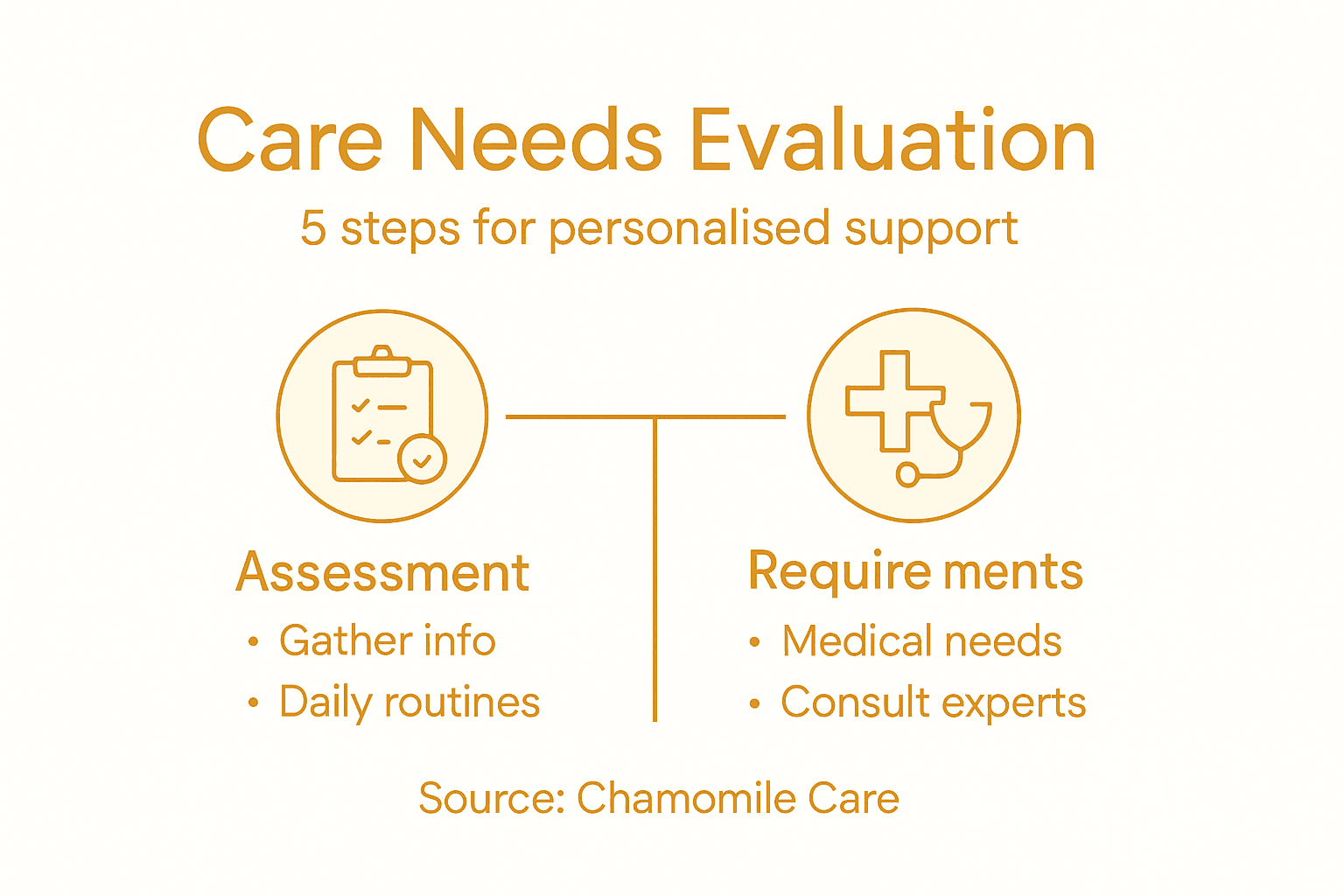
Care and support plan reviews are essential to maintaining the relevance and effectiveness of home care support. By meticulously examining every aspect of the proposed plan, you can ensure that it provides comprehensive, dignified, and responsive care.
Key elements to scrutinise during your review include:
Alignment with identified medical requirements
Comprehensive coverage of daily living needs
Flexibility for changing health conditions
Clarity of support mechanisms
Defined roles and responsibilities
Cost considerations and funding sources
Provisions for emotional and social support
Emergency and contingency planning
Approach the review process collaboratively, asking detailed questions and seeking clarification on any points that seem unclear or potentially insufficient. Request specific examples of how the proposed plan will address your loved one’s unique challenges and aspirations.
The following table provides a structured way to evaluate if the proposed care plan is sufficiently robust across all critical areas:
Care Plan Element | What to Check For | Desired Outcome |
Medical Alignment | Addresses all medical and prescription needs | Accurate, safe health management |
Emotional/Social Support | Inclusion of companionship, mental health oversight | Improved wellbeing and engagement |
Flexibility for Changes | Ability to update plan as needs evolve | Adaptable, ongoing suitability |
Emergency Provisions | Procedures for urgent situations clearly detailed | Reliable crisis response mechanisms |
A well-verified care plan is a living document that adapts and grows with the individual’s changing needs.
Practical advice: Create a comparison checklist that matches the proposed care plan against your original assessment notes, ensuring nothing important has been overlooked or misunderstood.
Discover Personalised Home Support Tailored to Your Loved One’s Needs
Evaluating care needs for personalised home support can feel overwhelming, especially when trying to balance medical, emotional and daily living challenges. This detailed process requires understanding every aspect of your family member’s health and wellbeing to create a truly compassionate and effective plan. At Chamomile Care, we recognise these challenges and specialise in delivering tailored care solutions that consider not only medical conditions like dementia or Parkinson’s but also personal preferences and emotional support requirements.
With over 40 years of experience and a CQC ‘Outstanding’ rating, Chamomile Care offers:
Expert medication management and physical care
Compassionate support for mental health and social wellbeing
Highly trained staff committed to safeguarding and quality
Take the next step in securing the right home care by exploring how our personalised services can complement your detailed care assessment. Visit Chamomile Care’s homepage to learn more about our trusted approach. You can also discover our comprehensive care process that ensures every recommendation truly fits your loved one’s unique needs.

Don’t wait to provide the compassionate support your family deserves. Contact Chamomile Care today at https://chamomilecare.com and start building a care plan that respects individuality, promotes independence and prioritises wellbeing.
Frequently Asked Questions
What information is critical to gather for evaluating care needs?
To effectively evaluate care needs, compile details such as medical diagnoses, medication lists, personal care requirements, and mobility capabilities. Collect this information from existing medical documentation and conversations with your loved one and family members.
How can I assess daily living challenges for personalised home support?
Observe your loved one’s daily routines and document any difficulties they face with tasks like personal hygiene, mobility, and social interactions. Use this information to identify specific areas where support could enhance their independence and quality of life.
What should I consider when identifying medical and emotional care requirements?
Focus on both physical health and emotional wellbeing when identifying care requirements. Assess current medical conditions, medication needs, the necessity for emotional support, and any cognitive impairments that could impact overall quality of life.
How do I consult with professionals for tailored care recommendations?
Prepare a detailed summary of your loved one’s medical history and current conditions before meeting with professionals. Discuss specific care requirements and ask clear questions to get comprehensive insights that cater to your loved one’s unique circumstances.
What should I review in the proposed care plan to ensure it’s suitable?
Examine whether the care plan aligns with identified medical needs and covers crucial daily living challenges. Ensure the plan is flexible enough to adapt to changing circumstances and includes clear emergency procedures and defined support roles.
Recommended



Comments