
What Do Care Workers Do in Home Care?

Updated: Mar 11
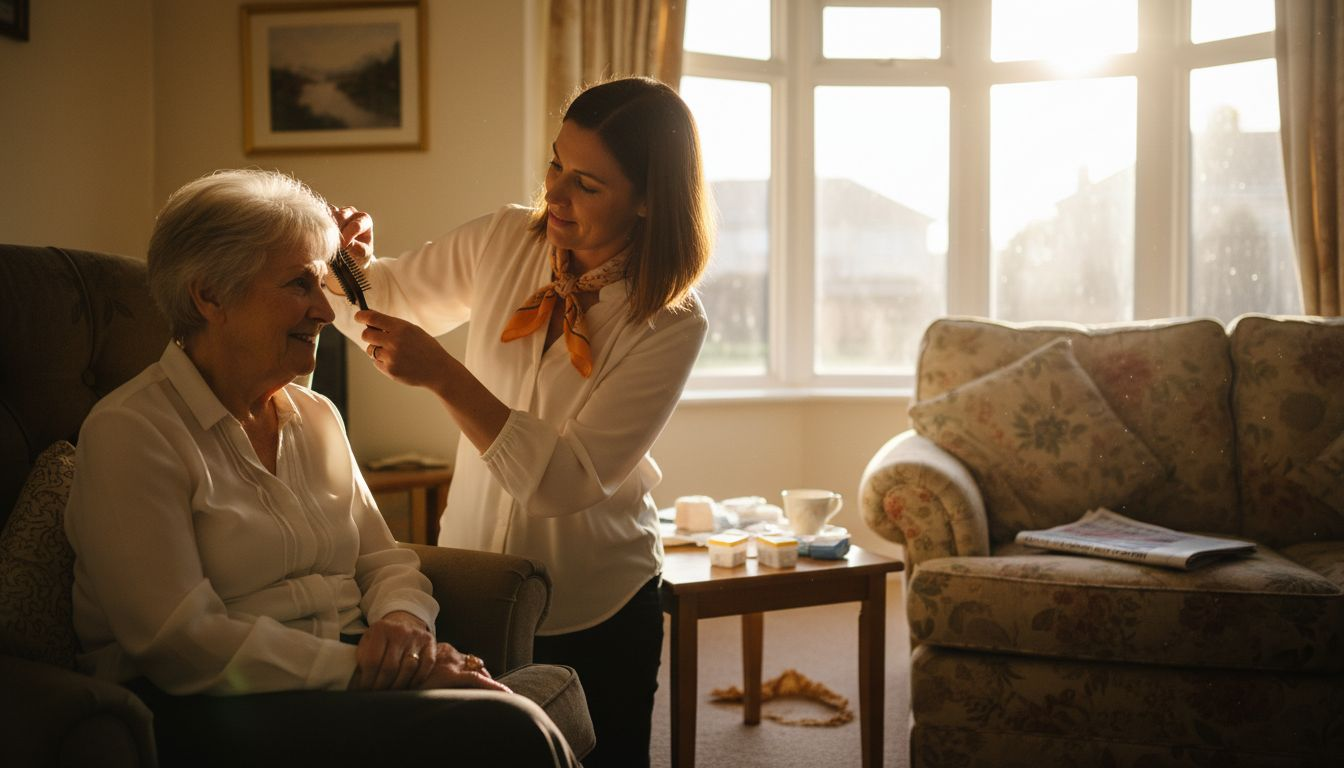
More than 1.6 million British families rely on home care options for elderly loved ones, yet many struggle to navigate the complex world of support services in places like Abingdon, Oxford, Didcot, Wallingford and Witney. Knowing who to trust inside your parent’s own home matters deeply, especially when roles are not always clear. Understanding exactly how Care Workers help maintain dignity, safety, and daily comfort empowers you to make confident choices for your family.
Table of Contents
Key Takeaways
Point | Details |
Role of CWs | Care Workers provide essential, personalised home care, focusing on both physical and emotional needs to enhance Service User’s quality of life. |
Key Responsibilities | CWs assist with personal hygiene, meal preparation, medication management, and offer companionship while ensuring dignity and independence for Service Users. |
Training and Skills | Accredited training in communication, safeguarding, and specialised care is crucial for CWs to deliver high-quality home care effectively. |
Legal and Ethical Framework | CWs must adhere to safeguarding standards and legal responsibilities, ensuring confidentiality, Service User dignity, and ethical conduct in their care practices. |
Care Workers – Core Role Explained
Care Workers (CWs) are compassionate healthcare professionals who provide essential daily assistance to individuals requiring home care. These skilled professionals play a critical role in supporting vulnerable people, enabling them to maintain dignity, independence, and quality of life within their own homes. Personal care support for independence involves a comprehensive range of services designed to address both physical and emotional needs.
The core responsibilities of Care Workers encompass a wide spectrum of personalised care activities. These include helping individuals with personal hygiene tasks such as bathing, dressing, and grooming, preparing nutritious meals, managing medication schedules, providing mobility assistance, and offering companionship. CWs are trained to approach each task with sensitivity, respecting the individual’s privacy, preferences, and autonomy. Their work extends beyond physical care, often providing critical emotional support and social interaction for Service User’s who might otherwise feel isolated.
Crucial to their role is the ability to adapt to each Service User’s unique circumstances. CWs must be highly observant, noting changes in health status, monitoring potential risks, and communicating effectively with families and healthcare professionals. They work closely with nurses, doctors, and family members to ensure holistic care, often serving as a vital communication link between medical teams and the Service User. Their professional training equips them to handle complex care scenarios with compassion, skill, and unwavering dedication.
Key Duties in Home Care Environments
Home care environments demand comprehensive and nuanced support from Care Workers (CWs), who provide critical assistance tailored to individual Service User needs. Understanding domiciliary care support reveals the intricate range of responsibilities these professionals undertake daily. Their duties extend far beyond basic physical care, encompassing emotional support, practical assistance, and maintaining Service User’s overall wellbeing.
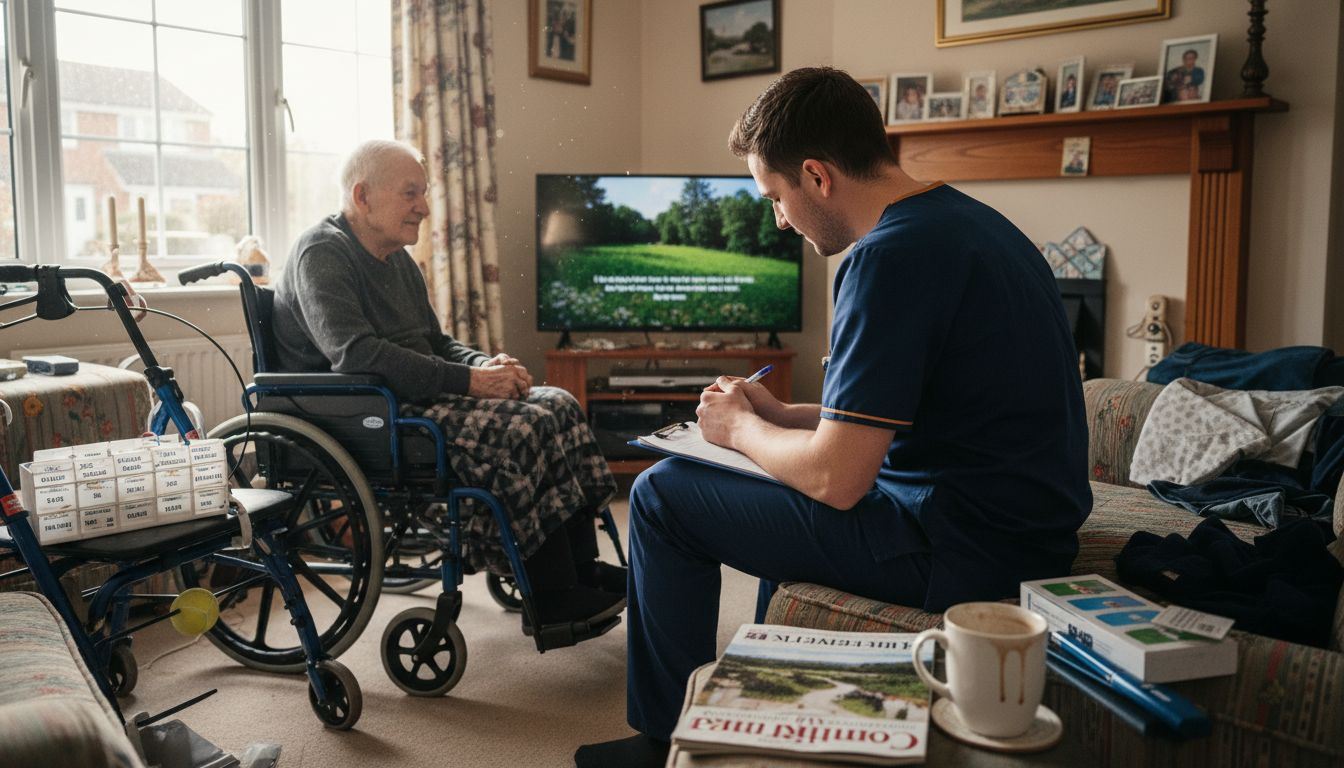
CWs perform a wide array of essential tasks in home care settings. According to professional guidelines, these typically include personal hygiene assistance, such as bathing, dressing, and grooming, while ensuring the Service User’s dignity and comfort. They also manage medication schedules, prepare nutritious meals, assist with mobility, and provide crucial companionship. Critically, CWs monitor Service User’s health status, noting any changes or potential risks, and communicate effectively with healthcare professionals and family members to ensure holistic care.
The role requires exceptional adaptability and interpersonal skills. Each home care environment presents unique challenges, demanding CWs be flexible, observant, and empathetic. They must follow personalised care plans, support Service Users in maintaining independence, and facilitate engagement in daily activities and community interactions. Their work involves not just physical care, but also emotional support, helping Service Users feel valued, heard, and connected to their surroundings.
Pro tip: When arranging home care support, discuss specific individual needs and preferences with your care agency to ensure a truly personalised care experience.
Essential Skills and Accredited Training Required
Care Workers require a comprehensive blend of professional skills and accredited training to deliver exceptional home care services. Professional skills training for care workers emphasises the critical importance of developing both technical competencies and interpersonal abilities that enable high-quality, compassionate care.
The essential skills for Care Workers encompass multiple dimensions of professional capability. These include exceptional communication skills, emotional intelligence, time management, and the ability to demonstrate initiative in complex care scenarios. Critically, CWs must undergo mandatory training covering crucial areas such as first aid, safeguarding vulnerable adults, infection control, medication administration, and specialised moving and handling techniques. Advanced training often includes condition-specific modules addressing unique care requirements for Service Users with dementia, mental health challenges, and complex physical disabilities.
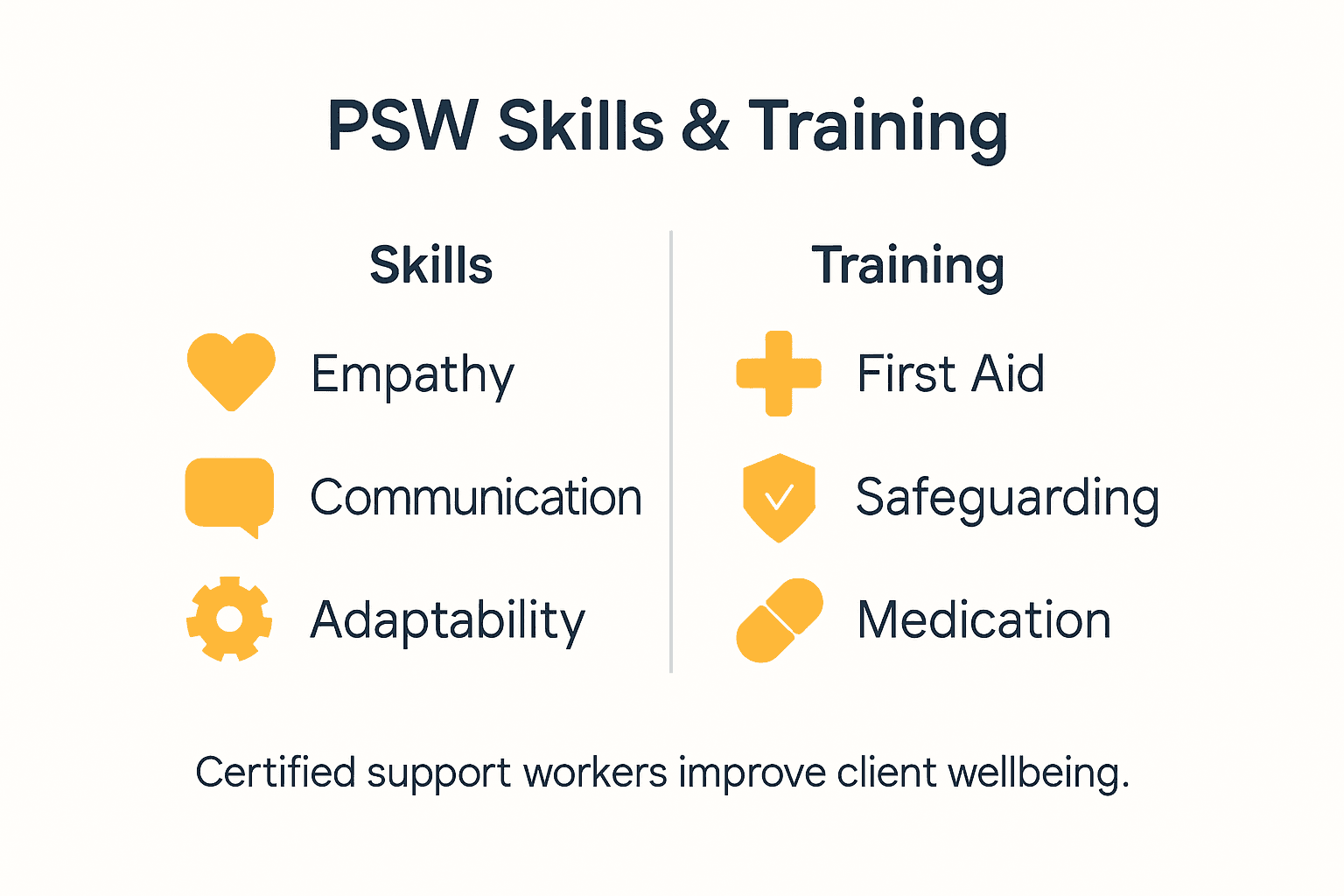
Accreditation and continuous professional development are fundamental to maintaining high standards in home care. CWs typically complete nationally recognised qualifications that validate their expertise and ensure they meet rigorous Care Quality Commission (CQC) standards. These qualifications not only provide theoretical knowledge but also practical skills that enable CWs to respond effectively to diverse and often unpredictable care environments. Ongoing training ensures that care professionals remain updated with the latest healthcare practices, technological advancements, and person-centred care approaches.
Here is a summary of vital skills and training areas for Care Workers:
Skill Area | Example Competency | Training Requirement |
Communication | Listening, clear reporting | Mandatory |
Safeguarding | Identifying and reporting risks | Mandatory and regular |
Physical Assistance | Safe moving and handling techniques | Accredited and refresher |
Specialist Care | Dementia or disability expertise | Advanced / additional |
Legal Responsibilities and Safeguarding Standards
Care Workers operate within a complex legal framework that demands rigorous adherence to professional standards and ethical conduct. Safeguarding standards in home care require professionals to maintain the highest levels of personal and professional integrity while protecting vulnerable individuals from potential harm or abuse.
The legal responsibilities of Care Workers extend across multiple critical domains. These include maintaining absolute confidentiality of Service User information, ensuring Service User dignity, and protecting their fundamental human rights. Professionals must follow comprehensive codes of conduct that mandate prompt reporting of any safeguarding concerns, potential abuse, or safety risks. This involves maintaining meticulous documentation, communicating effectively with healthcare professionals, family members, and regulatory bodies, and always acting within their defined scope of professional practice.
Regulatory compliance forms the cornerstone of professional home care practice. Care Workers are legally obligated to adhere to standards set by the Care Quality Commission, follow local authority guidelines, and participate in ongoing training that keeps their safeguarding knowledge current. This includes understanding complex legal frameworks surrounding consent, mental capacity, and individual rights. They must also demonstrate a proactive approach to risk management, continuously assessing potential vulnerabilities and implementing preventative strategies that protect the physical, emotional, and psychological wellbeing of those under their care
Differences from Other Home Care Roles
Home care professionals occupy diverse roles with distinct responsibilities, each serving unique Service User needs. Understanding domiciliary care support reveals the nuanced distinctions between Care Workers (CWs), Care Workers, and Personal Assistants that are critical for families seeking appropriate care.
Care Workers differ significantly from traditional Care Workers in their employment structure and service delivery. While Care Workers typically operate under structured organisational care plans and serve multiple Service Users simultaneously, CWs often provide more personalised, one-to-one support with greater flexibility. Their roles extend beyond basic personal care to include social engagement, community interaction, and highly individualised support tailored precisely to a Service User’s specific preferences and requirements.
The employment models further distinguish these roles. Care Workers are usually employed by agencies or charitable organisations with defined professional boundaries, structured supervision, and standardised training programmes. In contrast, Care Workers, particularly Personal Assistants, may be directly employed by individuals or families, offering more adaptable arrangements. This direct employment model allows for more personalised relationships, greater Service User control over support services, and potentially more comprehensive emotional and practical assistance that goes beyond traditional care frameworks.
To clarify key distinctions among common home care roles, see this comparison:
Role | Employment Model | Scope of Support | Typical Relationship |
Care Worker | May be directly employed | Broad, holistic, highly tailored | Close, one-to-one focus |
Care Support Worker | Usually agency or organisation | Structured, covers several Service Users | Professional, can be less personalised |
Personal Assistant | Directly hired by individual | Very flexible, Service User-directed | Highly individual, long-term |
Pro tip: When selecting home care support, carefully evaluate the specific role and employment model to ensure it matches your unique care requirements and personal preferences.
Discover Compassionate Care Workers Tailored to Your Home Care Needs
Understanding precisely what Care Workers do helps you recognise the importance of choosing care that truly values dignity, independence, and personalised attention. If you are seeking skilled professionals who provide comprehensive personal care, emotional support, and medication management in a home environment, Chamomile Care offers trusted, highly trained Care Workers committed to your unique needs. Our services reflect over 40 years of experience and a commitment to the highest standards including a CQC Outstanding rating.
Take the next step towards peace of mind by exploring how our dedicated team meets all aspects of Care with empathy and professionalism. Visit Chamomile Care to learn more about our personalised home care services. Discover why families choose us for expert Care Workers who treat Service Users with respect and compassion. Contact us now to arrange tailored support that enhances wellbeing and respects your individual preferences.
Frequently Asked Questions
What are the main responsibilities of Care Workers in home care?
Care Workers (CWs) assist individuals with personal hygiene, meal preparation, mobility support, medication management, and provide companionship, ensuring holistic care tailored to each Service User’s needs.
How do Care Workers ensure the dignity and respect of Service Users?
CWs approach each task with sensitivity, respecting Service Users’ privacy and preferences, and maintaining their dignity while providing necessary assistance.
What training and skills do Care Workers require?
CWs must undergo mandatory training in areas like first aid, safeguarding, and medication administration, along with possessing essential skills such as communication, emotional intelligence, and adaptability to meet diverse Service User needs.
Recommended
Comments