
Practical Ways to Stay Independent at Home in 2026

Updated: 5 days ago
Over 40 percent of British adults over 65 face difficulties with daily tasks at home, turning even simple routines into complex challenges. For families in Abingdon caring for elderly loved ones, finding practical ways to enhance independence can feel daunting as health changes increase the need for extra support. This guide shows how step by step adaptations and thoughtful planning can help maintain a sense of autonomy while navigating the realities of aging at home.
Table of Contents
Quick Summary
Key Point | Explanation |
1. Assess Your Home Environment | Conduct a thorough evaluation to identify mobility and safety risks that must be addressed for independent living. |
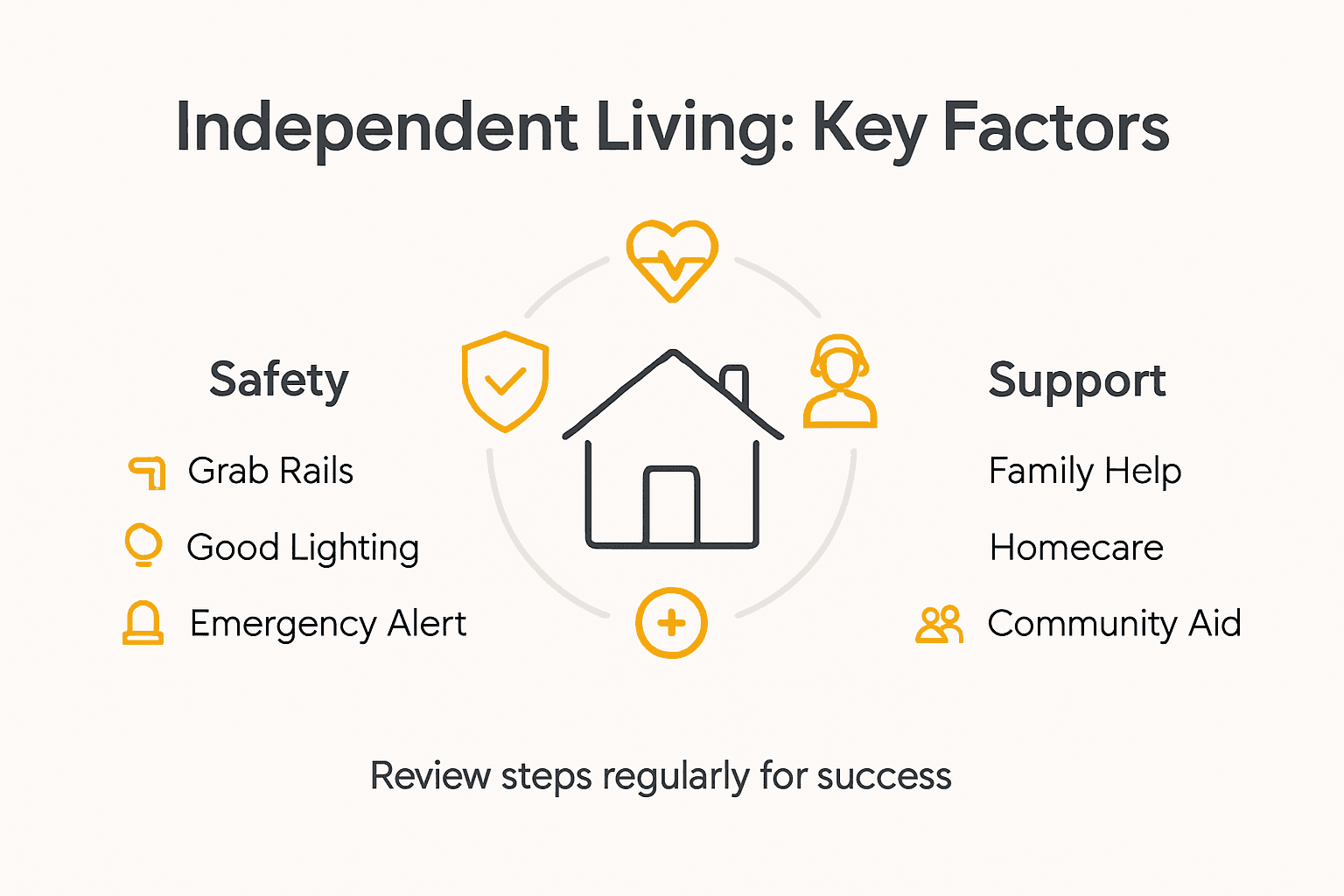
2. Implement Safety Measures | Install essential safety adaptations like grab rails and motion sensor lights to enhance overall home safety. |
3. Build a Support Network | Connect with family, friends, and professionals who can provide emotional and practical assistance as needed. |
4. Establish Daily Routines | Create a structured daily schedule that includes physical activities and mental engagement to promote wellbeing. |
5. Regularly Monitor Progress | Schedule regular reviews of your home and support network to ensure they continue to meet your evolving requirements. |
Step 1: Assess Current Home Environment
Preparing your home environment for independent living requires a systematic and thoughtful approach. This step involves carefully evaluating your living space to identify potential challenges and opportunities for adaptation.
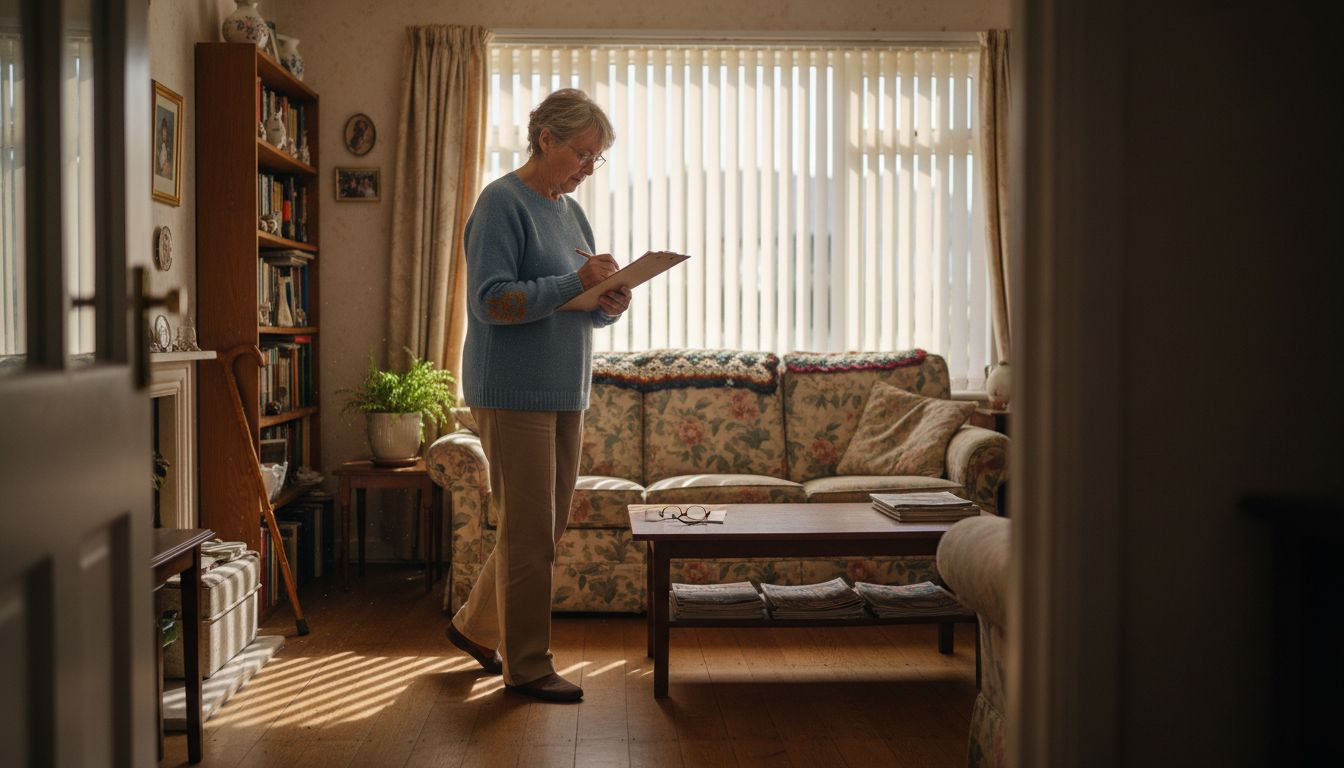
Begin by conducting a comprehensive walkthrough of your home, paying close attention to areas that might pose mobility or safety risks. Independent Age recommends a thorough assessment of each room, focusing on key functional spaces like hallways, bathrooms, and staircases. Look for potential obstacles such as loose rugs, uneven flooring, narrow doorways, or inadequate lighting that could impede movement or increase fall risks.
Use a structured checklist to document your observations systematically. Evaluate aspects like stair accessibility, bathroom safety, kitchen manoeuvrability, and bedroom layout. The MHA Later Life Hub suggests examining specific features including doorway widths, step heights, bathroom grab rail potential, and overall navigational ease. Consider how your current physical capabilities interact with your home’s design and where modifications might support continued independence.
Practitioner’s Recommendation: Invite an occupational therapist or independent living specialist to conduct a professional home assessment, providing expert insights into adaptations that can enhance your safety and mobility.
Step 2: Implement Safety Measures and Aids
Enhancing home safety involves strategic implementation of supportive equipment and modifications that promote independence and reduce potential risks. This crucial stage transforms your living environment into a more secure and navigable space.
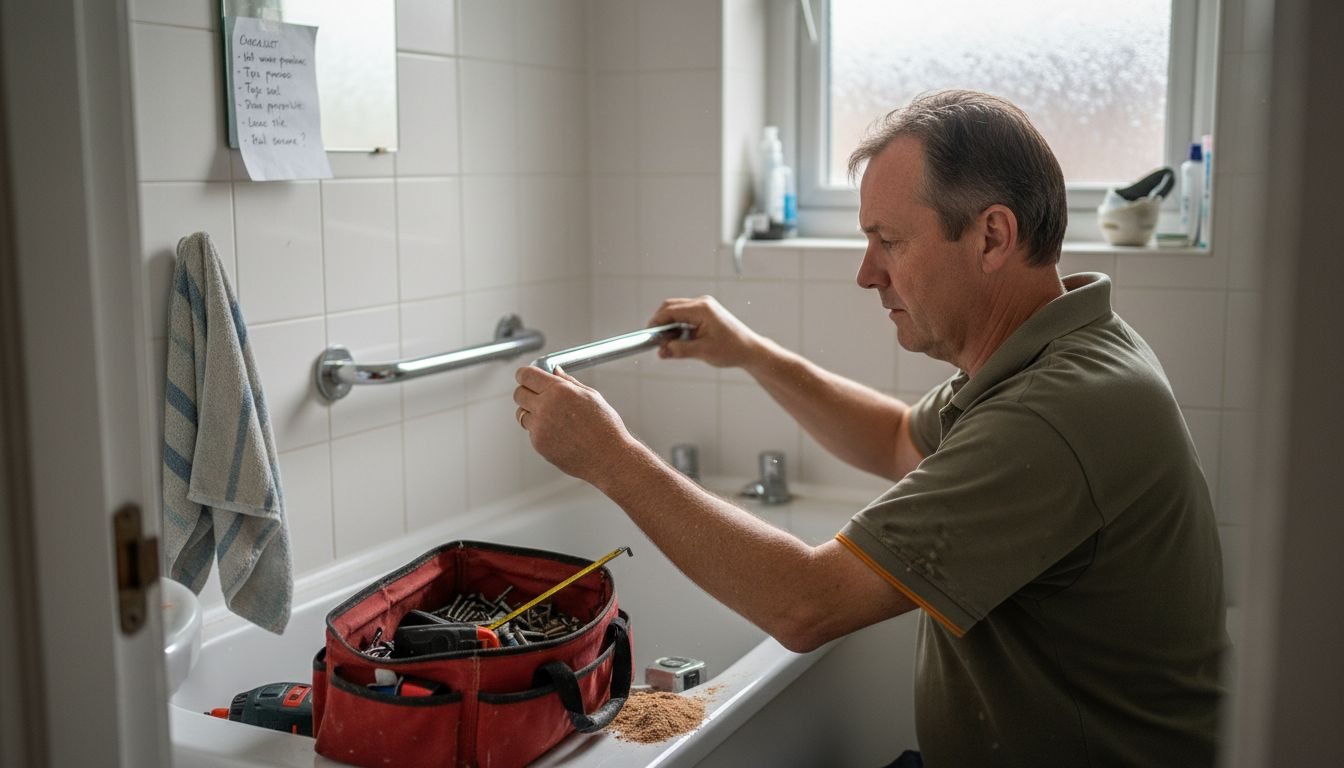
Age UK recommends comprehensive safety adaptations that address multiple aspects of home accessibility. Start by installing grab rails in critical areas such as bathrooms, staircases, and hallways. These supportive fixtures provide essential stability when moving between rooms or managing personal care tasks. Consider purchasing adjustable handrails that can be securely mounted at personalised heights to match your specific mobility requirements.
Next, evaluate lighting and communication systems to improve overall safety. Replace standard light switches with motion sensor alternatives, ensuring consistent illumination in key areas. Install bright, glare-free lighting in staircases, corridors, and bathrooms to minimise potential fall risks. Upgrade your door answering system to include visual and audio enhancements that accommodate potential sensory limitations, enabling safer visitor interactions.
Practitioner’s Recommendation: Consult an occupational therapist to conduct a personalised assessment of your specific safety needs, ensuring modifications are precisely tailored to your individual mobility and health requirements.
Here is a summary of common home modifications and their benefits for independent living:
Modification Type | Primary Benefit | Typical Area of Use |
Grab rails | Increased stability | Bathroom, staircase |
Motion sensor lighting | Improved visibility | Hallways, entrances |
Door widening | Easier wheelchair access | Entrances, corridors |
Non-slip flooring | Reduced fall risk | Bathrooms, kitchens |
Adjustable handrails | Customised support | Staircases, hallways |
Step 3: Establish Reliable Support Network
Creating a robust support network is crucial for maintaining independence and ensuring your wellbeing as you stay independent at home. This step involves intentionally connecting with people and services that can provide practical assistance and emotional support.
Age UK highlights the importance of comprehensive homecare support when establishing your network. Begin by conducting a thorough care needs assessment through your local council to understand the specific types of support available. Reach out to family members, trusted neighbours, and close friends who can provide regular check-ins and assistance with daily tasks. Consider establishing a communication system where key contacts are informed about your routine and can respond quickly if needed.
Expand your support network by exploring professional homecare services and community resources. This might include arranging regular visits from care workers who can help with personal care, housekeeping, and medication management. Look into local community centres, social groups, and volunteer organisations that offer support programmes for individuals seeking to maintain independence. Investigate technological solutions like emergency response systems and mobile apps that can provide additional layers of safety and connectivity.
Practitioner’s Recommendation: Create a detailed contact list with emergency numbers, healthcare providers, and trusted support people, and ensure this list is easily accessible in multiple locations throughout your home.
The table below compares types of support network connections and their main roles:
Support Type | Example Contact | Main Role |
Family Members | Siblings, children | Emotional and practical help |
Neighbours | Trusted neighbour | Urgent assistance, check-ins |
Homecare Services | Care worker | Personal care, housekeeping |
Community Groups | Local club leader | Social engagement, activities |
Technology Aids | Alarm system firm | Emergency response, alerts |
Step 4: Maintain Health and Daily Routines
Sustaining your physical and mental wellbeing requires a deliberate approach to structuring daily activities that promote independence and overall health. This step focuses on creating a balanced routine that supports your physical capabilities while maintaining mental engagement and emotional resilience.
Design a personalised daily schedule that incorporates regular physical activity, cognitive stimulation, and social interaction. Start by establishing consistent meal times and preparing nutritious foods that support your specific health requirements. Integrate gentle exercise routines such as seated yoga, walking, or swimming that match your mobility level. Consider practical approaches to managing health challenges for individuals with complex care needs to ensure your routine remains adaptive and supportive.
Prioritise mental wellness by engaging in activities that challenge your cognitive skills. This might include reading, puzzle solving, learning a new skill, or participating in community classes designed for seniors. Maintain a consistent sleep schedule, create moments for relaxation, and develop strategies for managing stress. Regular health monitoring through scheduled check ups, medication management, and open communication with healthcare providers will help you proactively address any emerging health concerns.
Practitioner’s Recommendation: Create a visible daily routine chart that includes activities, medication times, and personal goals, helping you maintain structure and motivation.
Step 5: Monitor Progress and Adjust Support
Sustaining independent living is an ongoing process that requires regular assessment and flexible adaptation of your support strategies. This step focuses on creating a systematic approach to tracking your progress, identifying emerging needs, and making timely adjustments to your care plan.
Establish a comprehensive monitoring system that involves regular check-ins with healthcare professionals, family members, and your support network. Document changes in your physical capabilities, mobility, cognitive function, and overall wellbeing through consistent health assessments. Practical strategies for managing complex care needs can help you develop a responsive approach to potential challenges, ensuring your support network remains proactive and attentive.
Schedule quarterly reviews of your home environment, safety measures, and support network to ensure they continue meeting your evolving requirements. This might involve reassessing mobility aids, updating communication systems, or adjusting care routines. Be open to technological solutions and professional guidance that can enhance your independence. Pay attention to subtle changes in your physical and mental health, and communicate transparently with your healthcare providers and family about any concerns or needed modifications.
Practitioner’s Recommendation: Create a quarterly self assessment journal to track your progress, noting physical changes, emotional wellbeing, and areas where you might need additional support.
Stay Independent at Home with Trusted Support from Chamomile Care
Maintaining independence at home can feel overwhelming when faced with challenges like mobility changes, safety concerns, and complex health needs. This article highlights practical ways to improve your living environment, establish a reliable support network, and maintain daily routines—all essential for staying safe and confident in your own home. If you seek personalised assistance focused on your unique situation, expert care and compassionate companionship can make all the difference.

Discover how Chamomile Care’s experienced team supports clients living with dementia, Parkinson’s, physical disabilities, and more through tailored home care solutions. With over 40 years of excellence and an Outstanding CQC rating, we prioritise your safety, wellbeing, and dignity every step of the way. Start your journey to sustained independence today by visiting Chamomile Care and exploring our detailed care process. Connect with us to learn how our high standards and personalised approach can help you adapt your home and routine confidently.
Frequently Asked Questions
How can I assess my home for independent living in 2026?
Begin by conducting a thorough walkthrough of your home, focusing on areas that may pose mobility or safety risks. Document your observations and look for potential obstacles, then create a checklist for systematic evaluation of key spaces.
What safety measures should I implement at home for independence?
To enhance safety, install grab rails in critical areas like bathrooms and staircases, and replace standard light switches with motion sensor alternatives. Consider using non-slip flooring in high-risk areas to reduce fall risks and improve navigability within your home.
How do I create a reliable support network for independent living?
Start by reaching out to family members, neighbours, and friends who can provide regular check-ins and assistance. Consider professional homecare services and community resources that can offer additional support tailored to your needs.
What daily routines should I maintain for good health at home?
Establish a personalised daily schedule that includes regular physical activity, social engagement, and cognitive stimulation. Incorporate consistent meal times and health monitoring to proactively manage your wellbeing and adapt to any changes in your health status.
How can I monitor my progress in maintaining independence?
Create a systematic approach to track your health and mobility through regular assessments with your support network. Schedule quarterly reviews to evaluate your home environment and make adjustments based on changes in your physical or mental health, ensuring you remain on track with your independence goals.
Recommended



Comments