
Understanding Why Choose Independent Home Care

Updated: Nov 1, 2025
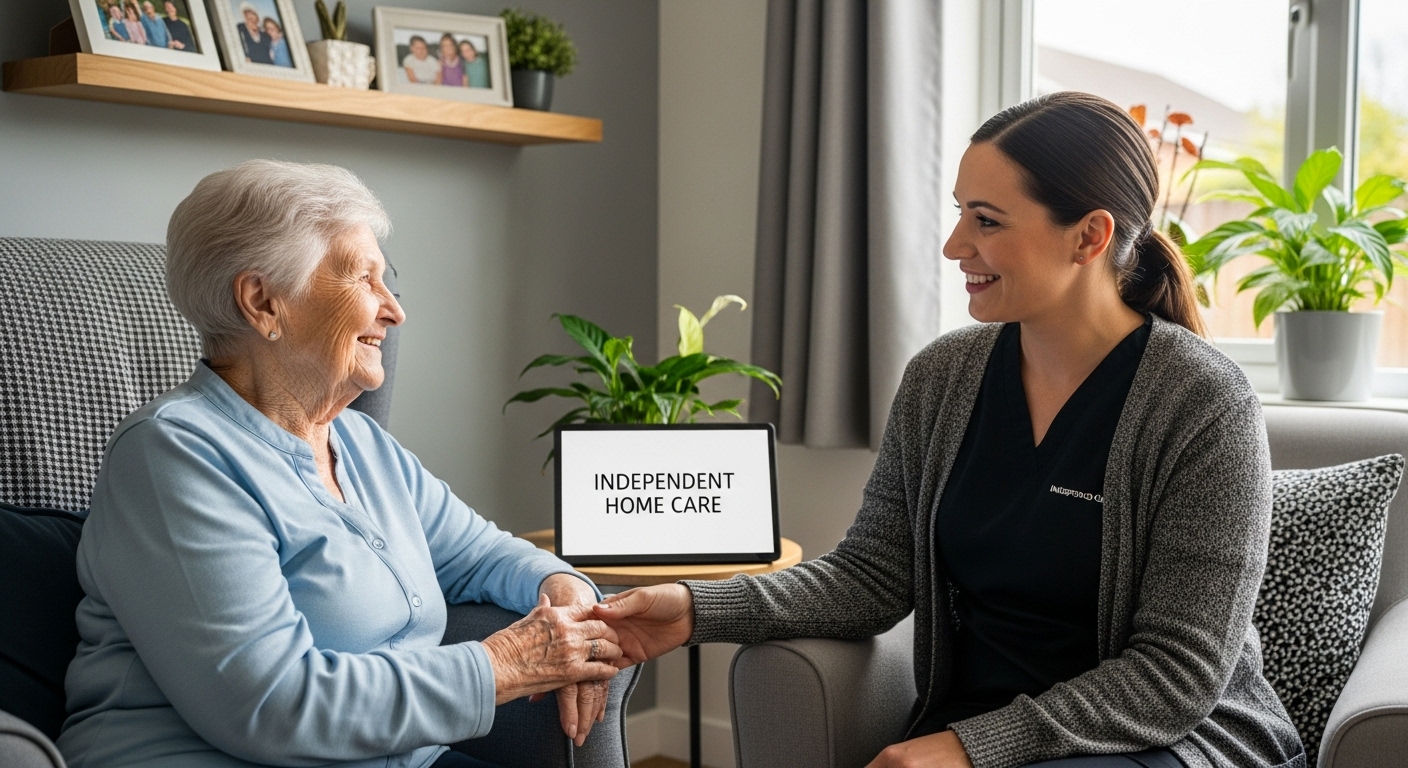
Independent home care is reshaping how people stay comfortable and in control in their own homes. Most think professional care means rigid routines and strangers in charge. But the truth is, over 75 percent of people prefer tailored support that lets them stay independent and involved in their own care decisions, proving just how powerful this personalised approach can be.
Table of Contents
Quick Summary
Takeaway | Explanation |
Empowerment through choice in care | Independent home care allows individuals to select and manage their caregivers, leading to a more personalised experience. |
Holistic support enhances well-being | This care model addresses not just physical needs but emotional and psychological well-being, fostering a better quality of life. |
Flexibility in care arrangements | Independent care offers tailored scheduling and support services to meet the unique preferences of the individual. |
Direct involvement improves satisfaction | Personal engagement in care decisions significantly boosts satisfaction, dignity, and emotional stability for recipients. |
Understanding financial responsibilities is key | Independent care comes with direct management tasks, including financial duties, which require careful consideration from families. |
The Concept of Independent Home Care Explained
Independent home care represents a personalised approach to supporting individuals who require assistance while maintaining their autonomy and dignity within their own living environment. Unlike traditional care models, this approach focuses on empowering care recipients to have greater control over their support services.
Understanding the Core Principles
At its heart, independent home care is about choice and flexibility. Home care arrangements allow individuals to receive professional support tailored precisely to their unique needs without relocating from their familiar surroundings. This model recognises that every person has distinct requirements and preferences in their care journey.
Key characteristics of independent home care include:
Direct involvement in selecting and managing care personnel
Personalised support plans crafted around individual preferences
Maintenance of personal independence and sense of control
Flexibility in scheduling and service delivery
How Independent Home Care Operates
The practical implementation of independent home care involves collaborative decision making between the care recipient, their family, and care professionals. Individuals can choose to either directly employ their care workers or work with specialised agencies like Chamomile Care that offer customised support services.
This approach allows for comprehensive care that goes beyond basic physical assistance. It encompasses emotional support, companionship, and assistance with daily activities while preserving the individual’s sense of dignity and personal agency. By prioritising the unique needs of each person, independent home care creates a supportive environment that promotes both physical well-being and emotional comfort.
The Importance of Tailored Support in Home Care
Tailored support in home care transcends traditional one-size-fits-all approaches, recognising that each individual’s care needs are as unique as their personal story, known as person centred care. This personalised methodology ensures that care recipients receive precisely targeted assistance that respects their individual circumstances, preferences, and dignity.
Understanding Individual Care Requirements
Every person has distinct physical, emotional, and social needs that evolve continuously. Research from Age UK indicates that personalised care significantly improves overall quality of life and health outcomes for individuals requiring support. By developing comprehensive care plans that adapt to changing requirements, home care services can provide dynamic and responsive support.
Key considerations in tailoring care support include:
Comprehensive initial assessment of individual physical and emotional needs
Regular reviews and adjustments to care plans
Consideration of personal history, cultural background, and individual preferences
Holistic approach addressing mental and physical well-being
Holistic Approach to Personalised Care
A truly tailored care experience goes beyond basic physical assistance. It involves understanding the whole person - their life experiences, personal goals, and emotional landscape. Discover more about our personalised care approach that ensures each individual receives compassionate, individualised support.
This approach recognises that effective care is not just about completing tasks, but about maintaining an individual’s sense of identity, independence, and personal dignity. By focusing on personalised strategies, home care services can create supportive environments that empower care recipients, helping them maintain their quality of life and emotional well-being.
How Independent Care Enhances Quality of Life
Independent care offers a transformative approach to supporting individuals, focusing on holistic well-being that extends far beyond traditional medical assistance. By prioritising personal autonomy and individual preferences, this care model directly contributes to improving overall life satisfaction and emotional health.
Psychological Benefits of Personalised Support
Research from the National Institute on Aging demonstrates that maintaining independence significantly impacts mental and emotional well-being. Independent care enables individuals to retain control over their daily lives, which crucially supports psychological resilience and self-esteem.
Key psychological advantages include:
Preservation of personal dignity and self-determination
Reduced feelings of helplessness or dependency
Enhanced sense of personal agency and control
Improved emotional stability and confidence
Practical Dimensions of Life Enhancement
Beyond emotional support, independent care directly improves practical quality of life. Learn more about our comprehensive home care planning which ensures each individual receives precisely tailored support that addresses their unique requirements.
This approach recognises that quality of life is multifaceted. Comprehensive care involves supporting physical health, maintaining social connections, enabling personal interests, and preserving individual routines. By creating flexible, responsive support systems, independent care allows individuals to continue living meaningful, engaged lives within their familiar environments, surrounded by personal memories and cherished belongings.
The table below outlines the key psychological and practical benefits that independent care provides, offering a clear distinction between these two dimensions of life enhancement.
Dimension | Benefit |
Psychological | Preservation of dignity and self-determination |
Psychological | Increased emotional stability and confidence |
Psychological | Enhanced sense of control and agency |
Psychological | Reduced feelings of helplessness or dependency |
Practical | Support for maintaining personal routines and daily activities |
Practical | Enables sustained social connections and participation |
Practical | Flexibility to pursue personal interests in a familiar environment |
Practical | Tailored physical assistance supporting mobility and independence |

Key Differences Between Independent and Agency Home Care
Navigating home care options requires understanding the nuanced distinctions between independent care arrangements and traditional agency-based services. Each model offers unique advantages and potential challenges that directly impact the care recipient’s experience and quality of support.
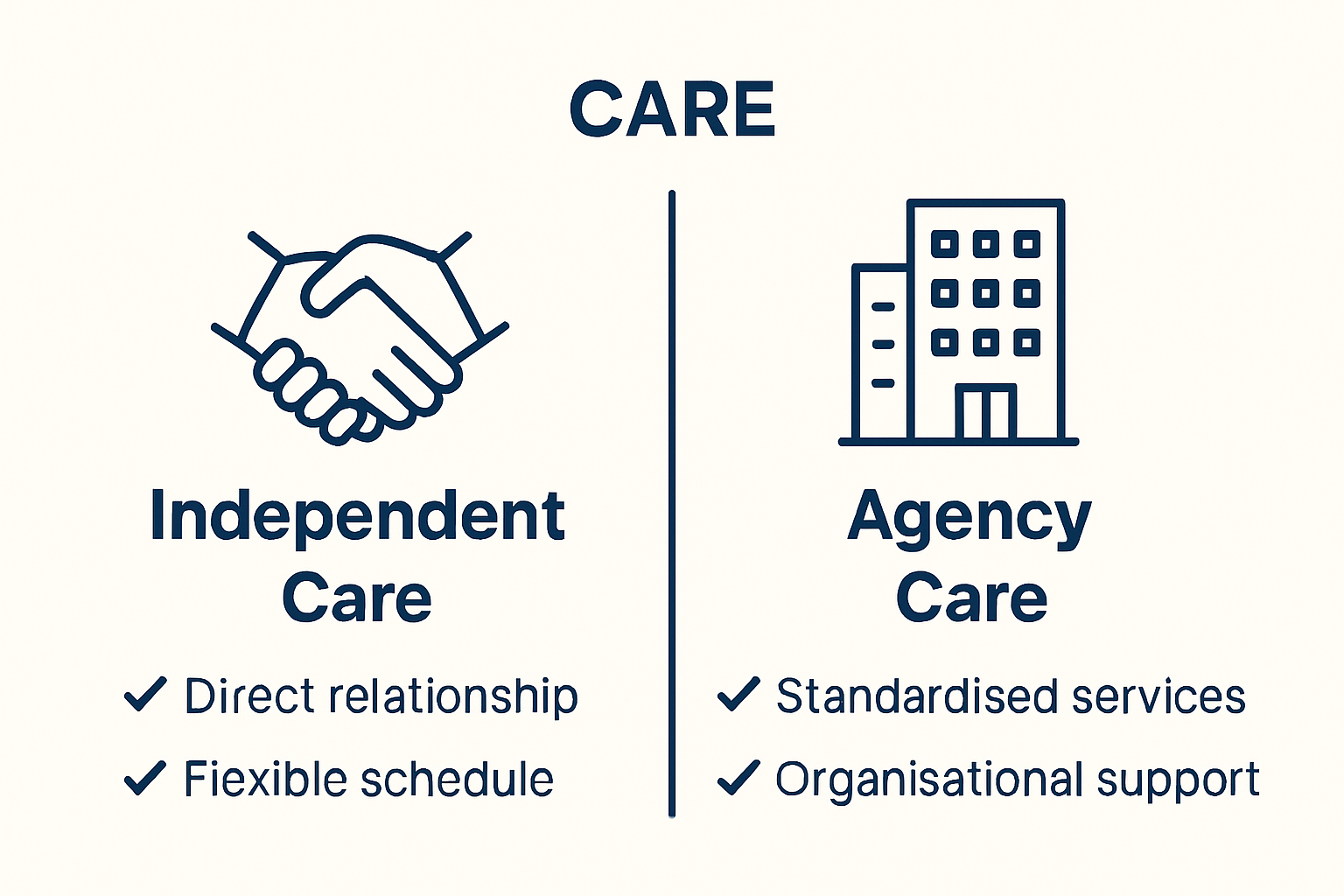
Structural and Operational Variations
Research from Skills for Care highlights the fundamental differences in employment and management structures between independent and agency care. Independent care involves direct employment by the care recipient, while agency care operates through a structured organisational framework.
Key structural differences include:
Direct personal relationship versus organisational intermediary
Individual versus standardised employment contracts
Personalised scheduling versus agency-determined rotas
Individual negotiation of terms versus predefined service packages
Financial and Legal Considerations
The financial implications of independent versus agency care are significant. Independent care requires more direct management from the care recipient or their family, including payroll, tax, and legal responsibilities. Learn more about home care agency considerations to understand the comprehensive support agencies can provide.
Agency care typically offers more comprehensive insurance coverage, regulated training standards, and backup support systems. This structured approach can provide additional peace of mind for families seeking consistent, professionally managed care services. However, independent care allows for more flexible, personalised arrangements that can be precisely tailored to individual needs and preferences.
The following table summarises the principal structural, operational, and managerial differences between independent home care and agency care models for clarity and comparison.
Aspect | Independent Home Care | Agency Home Care |
Employment Relationship | Direct employment by care recipient | Employed and managed by care agency |
Scheduling Flexibility | High—personalised and negotiated with individual | Set by agency, may be less flexible |
Care Plan Personalisation | Highly tailored to individual preferences | Typically based on standardised service packages |
Management Responsibility | Managed by client or family (contracts, rotas etc.) | Managed by agency, family involvement is optional |
Financial & Legal Duties | Handled by client or family (payroll, tax etc.) | Managed by agency, including insurance and payroll |
Backup/Replacement Cover | Arranged by family or recipient | Provided by agency automatically |
Training & Regulation | May vary, arranged privately | Agency ensures regulatory compliance & ongoing training |
Discover Truly Personalised Home Care in Abingdon
Are you seeking independence while managing the unique challenges of ageing or long-term conditions? The article highlighted how traditional care models can feel restrictive and impersonal, leaving people longing for dignity, choice, and trustworthy support in familiar surroundings. At Chamomile Care, we know how vital it is to have tailored, flexible assistance that evolves with your needs. Our outstanding team delivers responsive, compassionate home care that always respects your wishes, whether for dementia support, medication management, or daily help with routines.
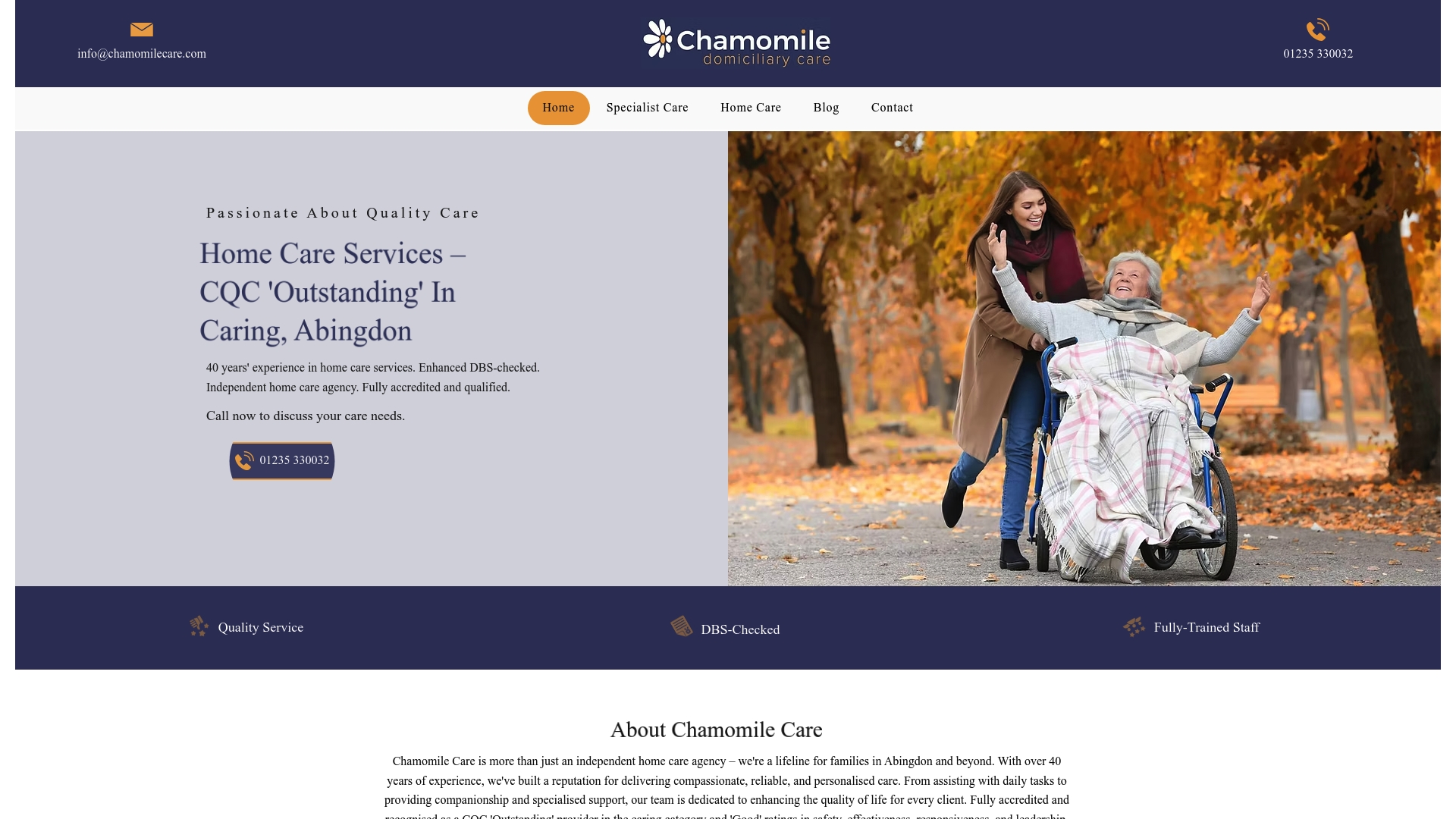
Start enjoying more control and confidence today. Explore why so many families choose our independently accredited services, endorsed by over 40 years of proven expertise and a CQC ‘Outstanding’ rating. Visit Chamomile Care for a closer look at our personal care approach and our full home care planning guide. Get in touch now and let us help you or your loved one thrive at home.
Frequently Asked Questions
Why choose independent home care?
Independent home care is a personalised approach that allows individuals needing assistance to receive support in their own living environments while maintaining autonomy and dignity. It emphasises choice, flexibility, and tailored care that meets the unique needs of each person.
How does independent home care operate?
Independent home care operates through collaborative decision-making between the care recipient, their family, and care professionals. Individuals can directly employ their care workers or engage with specialised agencies to receive customised support services.
What are the psychological benefits of independent home care?
Independent home care contributes to psychological well-being by preserving personal dignity, enhancing self-determination, and promoting a sense of control. This model helps individuals reduce feelings of helplessness and improves emotional stability and confidence.
How does independent home care differ from agency home care?
Independent home care involves direct employment by the care recipient, allowing for personalised management of care services, whereas agency home care operates within a structured organisational framework, providing regulated training and backup support. Each option has unique advantages depending on individual needs.
Recommended
Comments