
Understanding : What is Visiting Home Care for Families

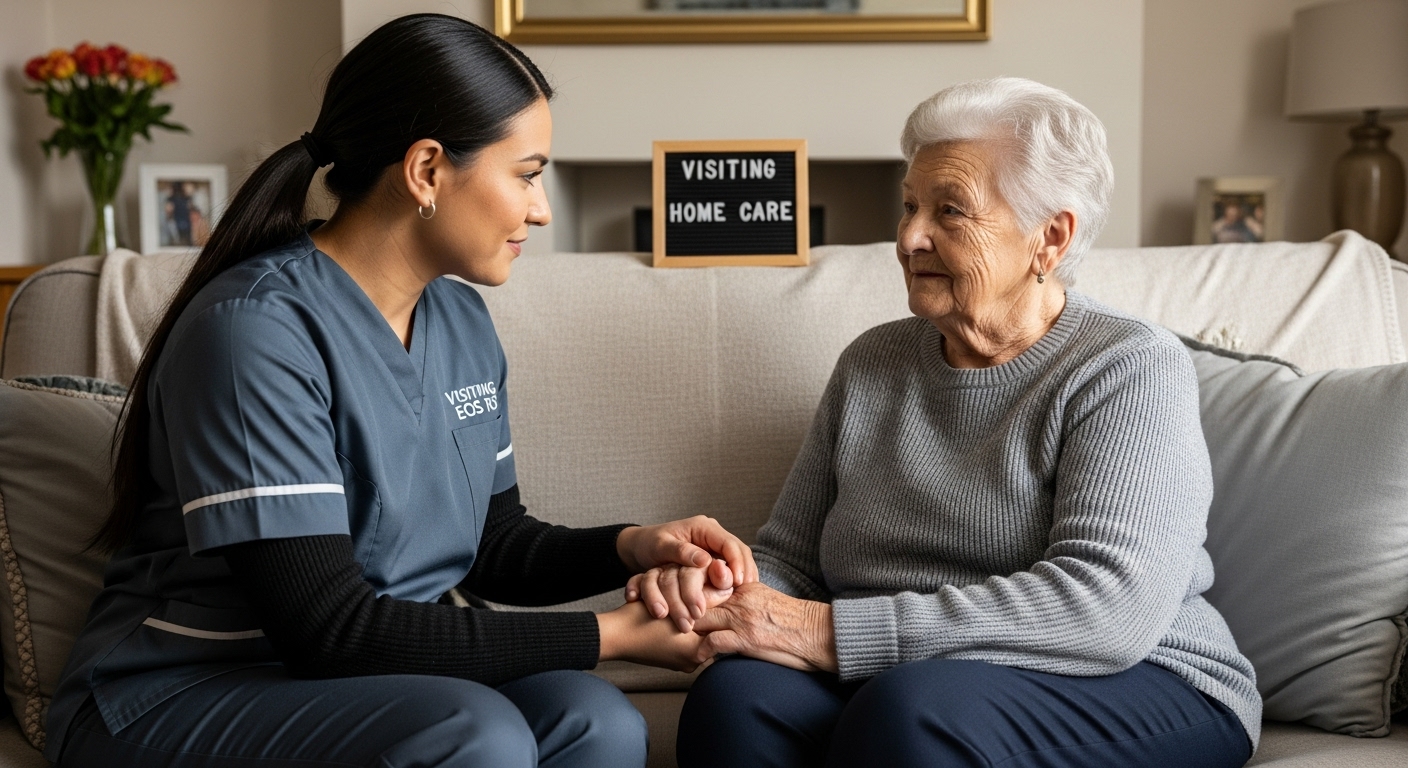
More people are choosing to stay in their own homes as they age and the demand for visiting home care has never been higher. Over 950,000 older adults in the UK currently receive support at home rather than moving into residential care. Yet, for all the focus on medical help and daily tasks, something often goes unnoticed. The real magic lies not just in the care itself, but in how it transforms family life, lifting emotional burden and helping everyone feel human again.
Table of Contents
Quick Summary
Takeaway | Explanation |
Visiting home care supports independence. | This service allows individuals to receive professional assistance while remaining in their own homes, thus preserving their dignity and autonomy. |
Tailored care plans are essential. | Professional carers assess individual needs to create personalised support strategies that adapt to changing circumstances and preferences. |
Reduced family stress through professional support. | Families benefit from alleviated caregiving responsibilities, which helps maintain emotional connections and overall family wellbeing. |
Continuous assessment ensures quality care. | Regular reviews of care plans are crucial to meet evolving client needs, ensuring consistent and effective support. |
Holistic care enhances emotional wellbeing. | Visiting home care not only addresses physical needs but also provides emotional companionship, improving the overall quality of life for both recipients and their families. |
Defining Visiting Home Care: What is it?
Visiting home care represents a personalised support service enabling individuals to maintain independence and quality of life within their familiar home environment. This specialised form of care provides professional assistance directly to people who require support with daily activities but wish to remain in their own residences.
The Core Concept of Home Care Support
Visiting home care fundamentally bridges the gap between complete independence and comprehensive residential care.
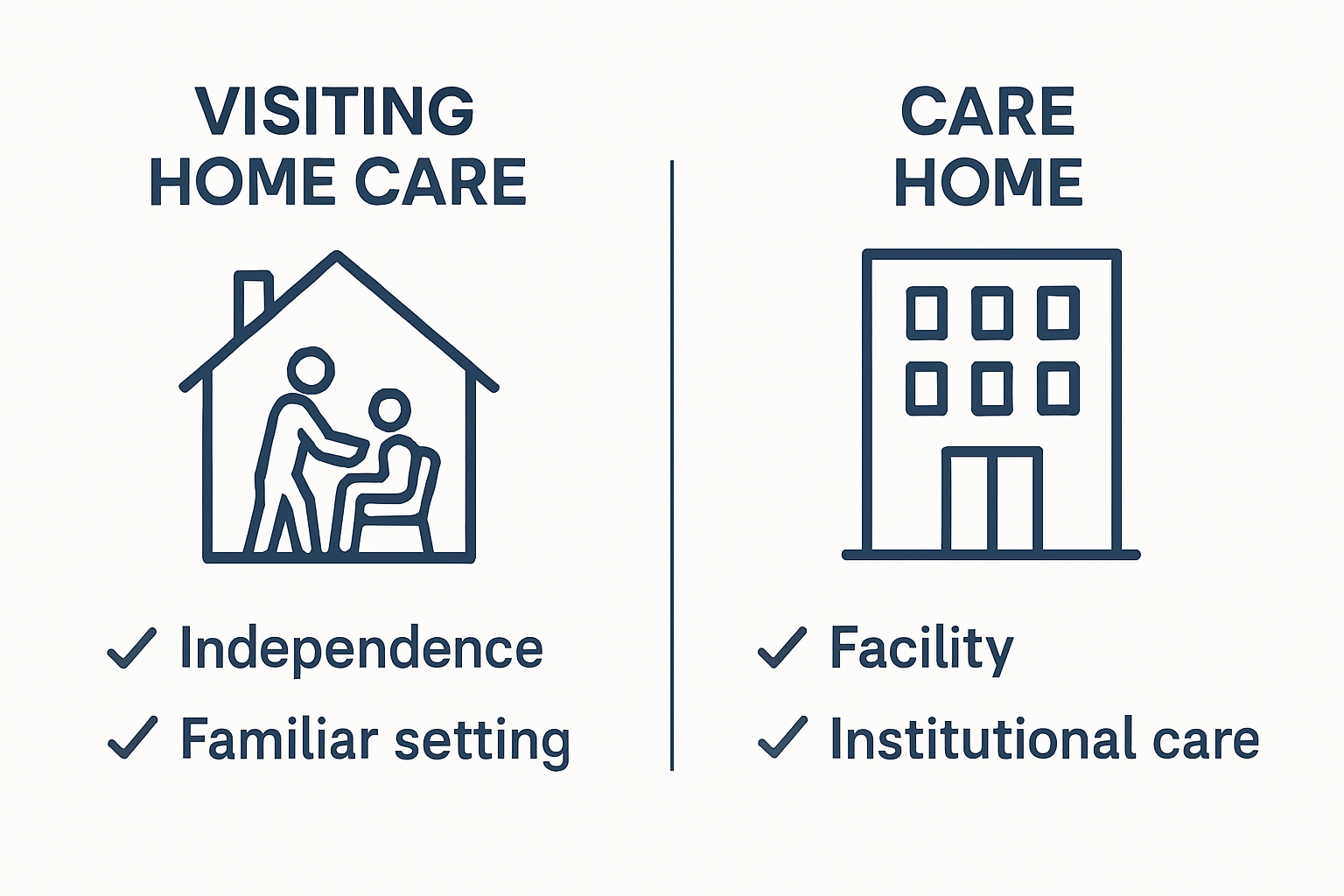
Professional carers from agencies like Chamomile Care deliver targeted assistance tailored to individual needs, ranging from companionship to complex medical support. The service allows vulnerable individuals to receive professional care without relocating from their cherished living spaces.
Key aspects of visiting home care include:
Personal care assistance (bathing, dressing, mobility)
Medication management
Household task support
Emotional companionship
Specialised medical monitoring
Understanding the Practical Implementation
According to NHS guidelines on home care services, visiting home care involves trained professionals assessing and meeting individual client requirements. These professionals develop personalised care plans considering physical health, emotional wellbeing, and specific lifestyle preferences.
The approach recognises that each person’s care needs are unique. Whether supporting an elderly individual managing chronic conditions or assisting someone with physical disabilities, visiting home care adapts its services to provide comprehensive, compassionate support precisely where and how it is most needed.
The Importance of Visiting Home Care for Families
Visiting home care emerges as a critical support system that transforms family dynamics, alleviating emotional and practical challenges associated with caring for vulnerable loved ones. By providing professional, compassionate assistance, this service offers families a sustainable approach to maintaining their relative’s dignity and quality of life.
Emotional and Practical Family Support
Families often experience significant stress when managing care for elderly or disabled relatives. Our guide on home care planning highlights how professional home care services can dramatically reduce caregiver burnout and emotional strain. Professional carers provide not just physical assistance, but also emotional support that extends to the entire family unit.
Key benefits for families include:
Reduced personal caregiving responsibilities
Enhanced peace of mind about loved one’s welfare
Preservation of family relationship dynamics
Professional skills addressing complex care needs
Flexible support tailored to changing requirements
Long-Term Family Wellbeing
According to research from the National Institutes of Health, visiting home care significantly contributes to family wellbeing by preventing caregiver exhaustion and supporting sustainable care models. This approach allows family members to maintain healthy boundaries while ensuring their loved ones receive high-quality, personalised support.
The service recognises that families are not just seeking care, but seeking a comprehensive support system that respects individual dignity, maintains family connections, and provides professional expertise precisely when and where it is most needed.
How Visiting Home Care Works in Practice
Visiting home care operates through a structured, personalised approach designed to meet individual client needs while maintaining dignity and independence. The process involves multiple carefully coordinated stages that ensure comprehensive and responsive support.
Initial Assessment and Care Planning
Expert home care planning tips emphasise the critical importance of thorough initial assessments. Professional care coordinators conduct detailed evaluations of the client’s physical health, emotional requirements, lifestyle preferences, and specific support needs. This comprehensive assessment forms the foundation for developing a tailored care plan that addresses unique individual circumstances.
Key components of the initial assessment include:
Medical history review
Current health status evaluation
Mobility and independence assessment
Personal care preferences understanding
Identification of specific support requirements
Practical Implementation of Care Services
According to NHS guidelines on home care services, visiting home care involves trained professionals delivering targeted support at agreed times. Care workers are carefully matched to clients based on their specific needs, skills required, and personal compatibility. These professionals provide a range of services from personal care and medication management to companionship and household assistance.
The practical delivery of care focuses on maintaining the client’s independence, offering support that enables them to continue living comfortably and confidently in their own home.
This table outlines the essential steps in the visiting home care process, offering a concise overview from assessment to ongoing support.
Stage | Description |
Initial Assessment | Detailed evaluation of physical health, emotional wellbeing, lifestyle preferences, and individual support needs. |
Personalised Care Planning | Creation of a tailored care plan based on assessment findings, focusing on unique requirements and wishes. |
Implementation of Care Services | Professional carers deliver agreed-upon support such as personal care, medication, and companionship. |
Regular Monitoring and Review | Ongoing review of the care plan to ensure it adapts to changing circumstances and continues to meet needs. |
Key Components of Effective Visiting Home Care
Effective visiting home care transcends basic physical assistance, representing a holistic approach that prioritises individual dignity, personalised support, and comprehensive well-being. This multifaceted service requires careful integration of professional skills, compassionate engagement, and responsive care strategies.
Professional Competence and Personal Connection
Our guide to understanding quality standards emphasises that effective home care hinges on the delicate balance between professional expertise and genuine human connection. Carers must possess not only technical medical skills but also emotional intelligence, patience, and the ability to build trusting relationships with clients and their families.
Critical professional competencies include:
Advanced medical knowledge
Interpersonal communication skills
Empathy and emotional understanding
Adaptability to changing client needs
Commitment to maintaining client dignity
Comprehensive Care Planning and Monitoring
According to Care Quality Commission guidelines, effective visiting home care requires robust, dynamic care planning that evolves with the client’s changing requirements. This involves continuous assessment, regular communication with healthcare professionals, and proactive adjustment of support strategies.
The approach recognises that care is not a static intervention but a responsive, personalised journey that adapts to maintain the highest possible quality of life for each individual, ensuring they receive precise, compassionate support tailored to their unique circumstances.
Understanding the Benefits for Care Recipients and Families
Visiting home care represents a transformative approach that delivers profound benefits beyond traditional care models, creating positive outcomes for both care recipients and their families through personalised, compassionate support.
Enhanced Quality of Life for Care Recipients
Our comprehensive guide on dementia care highlights how specialised home care can dramatically improve individual well-being. By maintaining personal dignity and supporting independence, care recipients experience a sense of continuity and self-determination that traditional institutional care often compromises.
Key benefits for care recipients include:
Preservation of familiar home environment
Personalised one-to-one attention
Maintenance of personal routines
Reduced feelings of isolation
Continued engagement with community
Holistic Family Support and Emotional Relief
According to research from the National Institutes of Health, visiting home care significantly reduces family stress by providing professional support that alleviates the emotional and practical challenges of caregiving. Families gain peace of mind knowing their loved ones receive expert, compassionate care while maintaining the opportunity to focus on meaningful relationship dynamics rather than solely on care responsibilities.
The service fundamentally transforms family interactions, enabling loved ones to reconnect as family members rather than becoming primary caregivers, thus preserving emotional bonds and personal well-being for everyone involved.
To clarify the distinct roles and advantages of visiting home care for both care recipients and their families, the following table compares the core benefits for each group.
Group | Key Benefits |
Care Recipients | Remain in a familiar home environment, receive one-to-one personalised attention, maintain routines, experience reduced isolation, and enjoy ongoing community engagement. |
Families | Experience reduced caregiving responsibilities, gain peace of mind about loved one’s welfare, preserve family relationship dynamics, benefit from professional skills, and receive flexible support for changing needs. |

Discover Support That Keeps Your Family Together at Home
Worried about the emotional and practical challenges of caring for a loved one at home? The article highlights how visiting home care can transform daily life by easing strain on families and ensuring vulnerable relatives receive expert help in their own surroundings. If you want a solution that protects dignity, independence, and peace of mind, explore how Chamomile Care brings this personal approach to families every day.
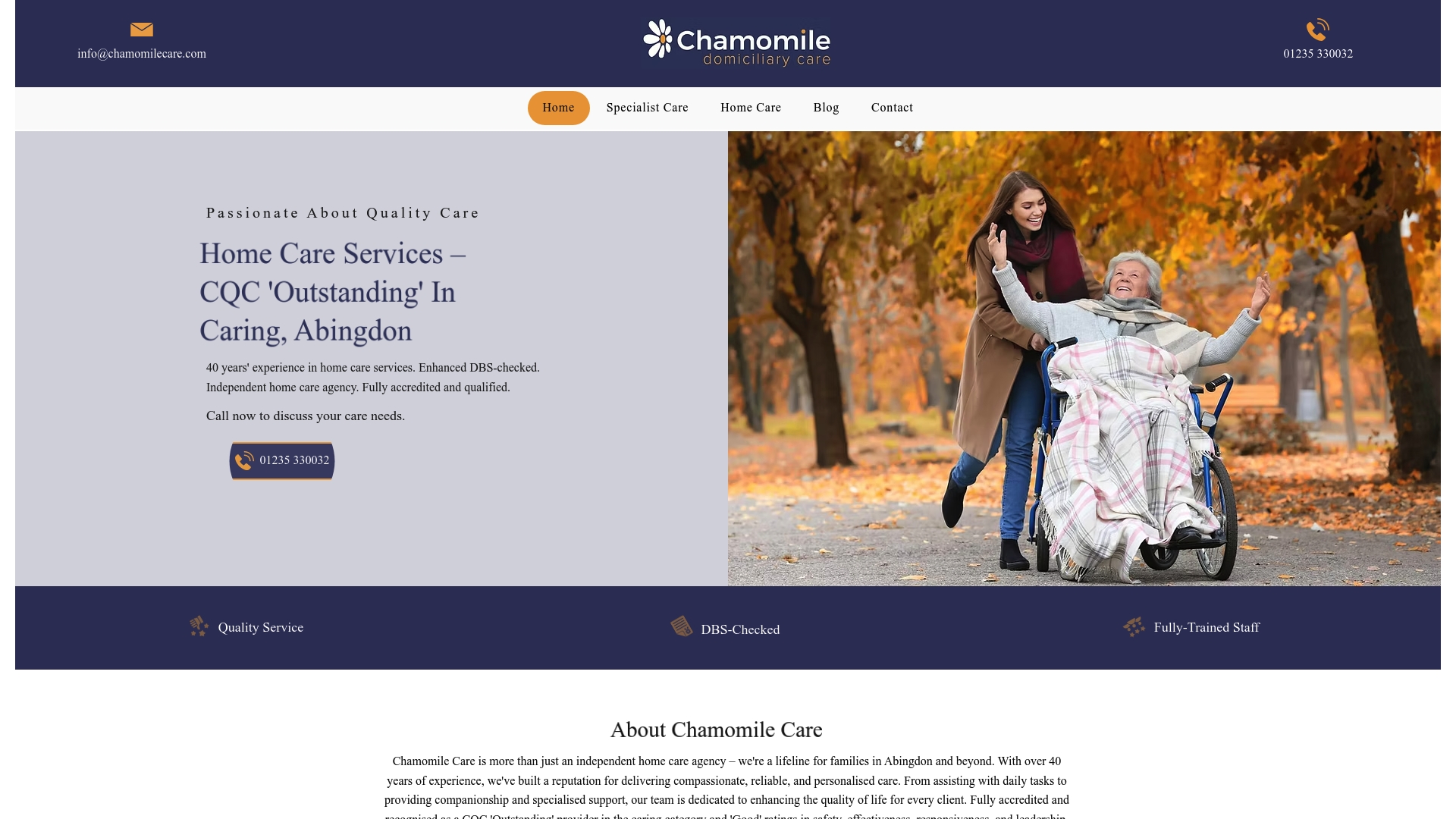
Chamomile Care holds over 40 years of experience and is recognised with a CQC “Outstanding” rating. We tailor our support to suit unique needs including dementia care, physical disabilities, and medication management. See for yourself how our person-centred services and high standards deliver real reassurance. Start by visiting Chamomile Care, or read about our step-by-step care planning process. Contact us now to give your loved one the compassionate, reliable care they deserve in the comfort of home.
Frequently Asked Questions
What is visiting home care?
Visiting home care is a personalised support service that allows individuals to receive professional assistance with daily activities in their own homes, helping them maintain independence and quality of life.
How does visiting home care benefit families?
Visiting home care reduces caregiver burnout among family members, enhances peace of mind regarding their loved one’s welfare, and allows families to maintain healthy relationship dynamics while ensuring professional care for their relatives.
What types of services are included in visiting home care?
Services in visiting home care can include personal care assistance, medication management, household task support, emotional companionship, and specialised medical monitoring, tailored to individual needs.
How is a care plan developed for visiting home care?
A care plan is developed through an initial assessment conducted by trained professionals who evaluate the client’s health status, lifestyle preferences, and specific support needs to create personalised care strategies.
Recommended
Comments