
Understanding the Guide to Dementia Care at Home

Updated: Nov 2, 2025
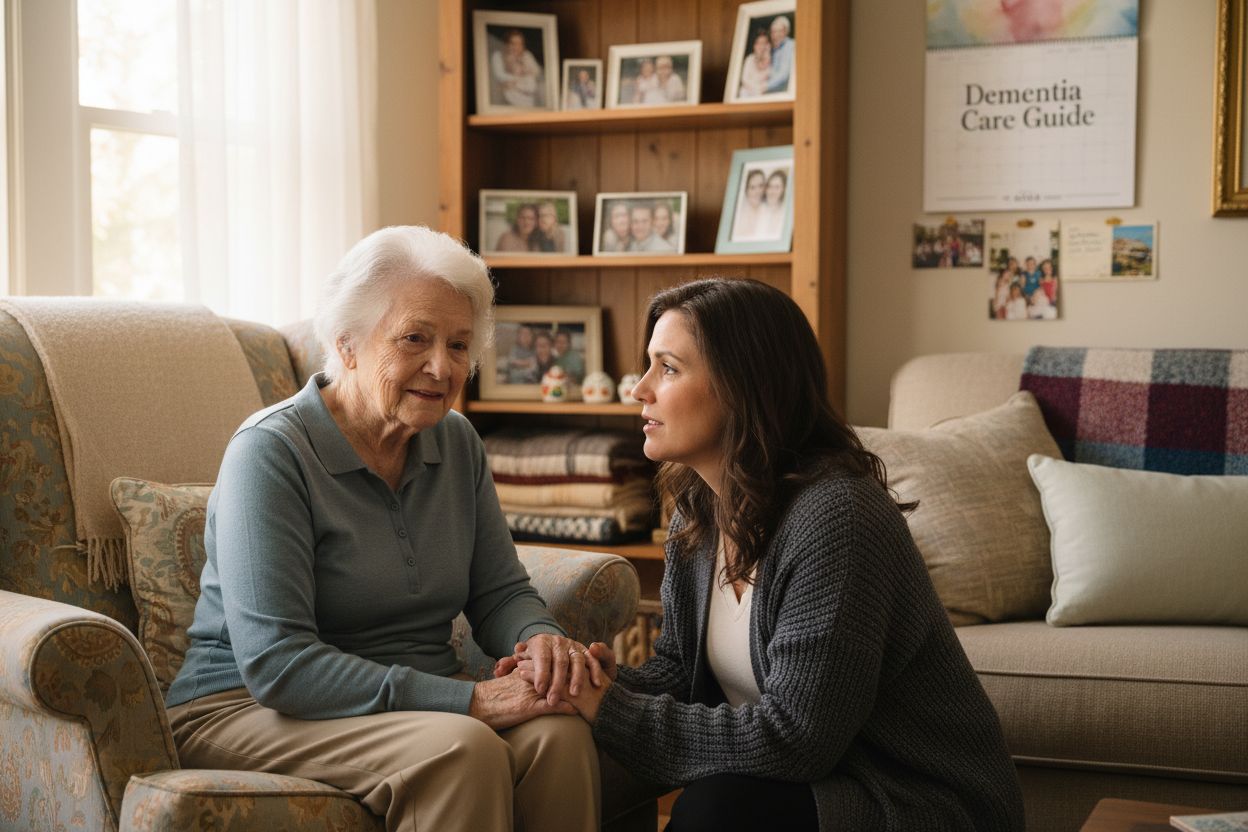
Dementia changes everything for both individuals and their families, turning daily routines upside down and challenging the very core of independence. The numbers say it all. Alzheimer’s disease alone accounts for around 60 to 70 percent of cases, making it the most common cause of dementia worldwide. Yet it is not medical treatment or advanced technology that makes the biggest difference for most people. Instead, it is the comfort and safety provided by thoughtful home care that proves truly life-changing.
Table of Contents
Quick Summary
Takeaway | Explanation |
Dementia requires specialised support | Understanding dementia’s complexity is crucial for effective care and management by families and professionals alike. |
Home-based care enhances emotional stability | Familiar environments significantly reduce anxiety, aiding cognitive function and preserving dignity for dementia patients. |
Communication strategies are vital | Effective interaction relies on clear language, patience, and respect, helping caregivers connect meaningfully with individuals. |
Adjust home design for safety | Creating a safe, clutter-free living space can significantly enhance comfort and reduce disorientation for dementia patients. |
Leverage community support resources | Families should explore available support networks and services to gain practical insights and emotional assistance in dementia care. |
What is Dementia and Why is Home Care Important?
Dementia is a complex neurological condition that progressively impacts an individual’s cognitive abilities, memory, and daily functioning. Understanding what dementia represents reveals a challenging journey for both patients and their families, requiring compassionate and specialised support.
Understanding Dementia’s Impact
The progression of dementia fundamentally alters an individual’s perception of reality, making familiar environments increasingly crucial. Cognitive decline affects multiple areas of functioning, including:
Memory retention and recall
Logical reasoning and problem solving
Emotional regulation and communication skills
Spatial awareness and motor coordination
While medical interventions play a significant role, home care emerges as a critical approach in managing dementia. Our comprehensive dementia care services recognise the importance of maintaining dignity and comfort for individuals experiencing this challenging condition.
The Significance of Home-Based Care
Home care represents more than just medical support. It provides a personalised, familiar environment that can significantly reduce anxiety and disorientation commonly experienced by dementia patients. According to research from Alzheimer’s Society, familiar surroundings help maintain emotional stability and can potentially slow cognitive decline.
By choosing home care, families can ensure their loved ones receive professional, compassionate support while preserving their sense of independence and personal history. Each care plan is meticulously tailored to address the unique needs of individuals navigating this complex neurological journey.
Understanding the Different Types of Dementia
Dementia represents a complex group of neurological disorders, each presenting unique challenges and progression patterns. Research from Alzheimer’s Research UK highlights the complexity of these conditions, demonstrating why understanding their specific characteristics is crucial for effective care.
Primary Dementia Categories
The most prevalent types of dementia encompass distinct neurological experiences, impacting individuals differently. Healthcare professionals recognise several primary dementia categories, which help guide targeted care strategies:
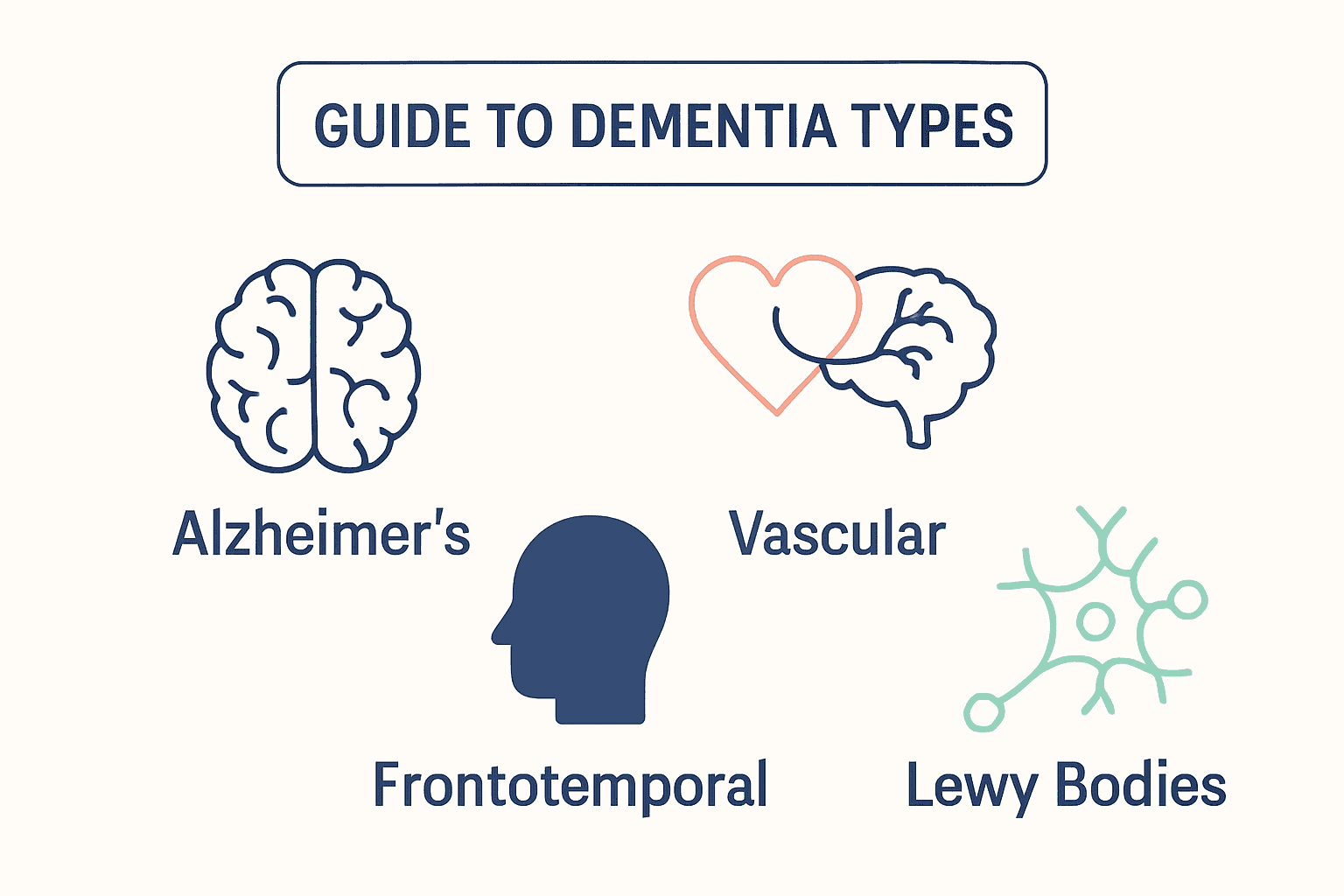
Alzheimer’s Disease: The most common form, characterised by progressive memory loss and cognitive decline
Vascular Dementia: Resulting from reduced blood flow to the brain, often following stroke events
Frontotemporal Dementia: Affecting personality and language capabilities
Dementia with Lewy Bodies: Involving movement difficulties and visual hallucinations
Unique Characteristics and Progression
Each dementia type manifests through specific neurological changes, creating unique care requirements. Alzheimer’s disease typically begins with subtle memory lapses, gradually progressing to more significant cognitive impairments. Vascular dementia, conversely, often presents more abruptly, with potential step-wise deterioration corresponding to underlying cardiovascular events.
Exploring our specialised dementia care approaches allows families to understand how personalised support can address the nuanced needs associated with different dementia variations. Professional care teams develop tailored strategies recognising that each individual’s journey remains distinct, requiring compassionate, adaptive support.
The table below compares the four primary dementia categories discussed in the guide, highlighting their main features and progression differences.
Dementia Type | Key Characteristics | Progression Pattern |
Alzheimer’s Disease | Progressive memory loss, cognitive decline | Gradual onset, slow continuous decline |
Vascular Dementia | Cognitive issues after stroke, movement difficulties | Often step-wise deterioration, abrupt onset |
Frontotemporal Dementia | Personality and language changes | Variable, can be rapid or gradual |
Dementia with Lewy Bodies | Visual hallucinations, movement difficulties | Fluctuating cognition, movement changes |
Key Principles of Caring for Someone with Dementia
Caring for an individual with dementia requires a nuanced, compassionate approach that respects their dignity and individual experience. According to NICE guidelines, the fundamental goal is maintaining the person’s quality of life and supporting their autonomy wherever possible.
Emotional and Psychological Support
Dementia care transcends physical assistance. Emotional connectivity becomes paramount, recognising that the individual’s emotional experience remains valid despite cognitive changes. Key psychological support principles include:
Maintaining patience and calm during interactions
Acknowledging the person’s feelings without correction
Creating a predictable, structured environment
Communicating with respect and kindness
Communication and Interaction Strategies
Effective communication represents a critical skill in dementia care. Carers must adapt their approach, speaking clearly, using simple language, and providing visual cues. Non-verbal communication becomes increasingly important, with tone and body language conveying more meaning than words.
Understanding our comprehensive dementia care approach helps families develop realistic expectations and build meaningful connections. Professional care teams are trained to interpret subtle communication signals, ensuring individuals feel heard and understood throughout their journey.
This table summarises the key principles of caring for someone with dementia, as identified in the article, and explains their significance in the care process.
Principle | Explanation |
Emotional and psychological support | Maintain dignity, validate feelings, create a structured environment |
Patience and calm | Respond gently to confusion or frustration, reduce distress |
Clear, respectful communication | Use simple language, non-verbal cues; ensure the individual feels heard |
Predictable routines | Provide stability and comfort by keeping the environment consistent |
Support autonomy | Enable choice and independence wherever possible |
How Home Environment Affects Dementia Care
Care environment design plays a critical role in supporting individuals experiencing cognitive decline. The home becomes more than a physical space it transforms into a therapeutic landscape that can significantly influence an individual’s emotional wellbeing and cognitive functioning.
Creating Safe and Supportive Spaces
Spatial awareness and environmental design become paramount in dementia care. The home environment must balance safety with familiarity, reducing potential sources of confusion and anxiety. Key considerations include:
Minimising clutter and creating clear pathways
Ensuring consistent and predictable room layouts
Using colour contrast to improve visual perception
Installing adequate lighting to reduce disorientation
Removing potential tripping hazards
Sensory and Emotional Considerations
Dementia care requires understanding how environmental stimuli impact cognitive processing. Sensory experiences can trigger memories, emotions, and responses that either comfort or distress individuals. Soft textures, familiar photographs, meaningful objects, and gentle background sounds can create a sense of security and connection.

Our personalised dementia care strategies recognise that each home environment represents a unique ecosystem. Professional caregivers work closely with families to adapt living spaces, ensuring they remain both functional and emotionally resonant for individuals navigating cognitive changes.
Real-World Applications and Support Resources
The Alzheimer’s Society offers comprehensive support networks designed to empower families navigating the complex landscape of dementia care. Understanding available resources becomes crucial in developing a holistic approach to managing this challenging condition.
Professional Support Mechanisms
Practical support extends beyond medical interventions, encompassing emotional, educational, and strategic resources for families and carers. Professional support mechanisms include:
Specialised dementia care training programmes
Respite care services for primary caregivers
Counselling and emotional support networks
Legal and financial guidance specific to dementia care
Technological assistance and monitoring solutions
Community and Online Resources
Dementia care requires a multifaceted approach, with community resources playing a pivotal role in supporting families. Local support groups, online forums, and specialised workshops provide platforms for sharing experiences, gaining practical insights, and building resilience.
Our comprehensive dementia care guide recognises that every family’s journey is unique. Professional care teams work collaboratively to connect families with tailored resources, ensuring comprehensive support throughout the dementia care experience. By combining professional expertise with community networks, families can develop robust, compassionate care strategies that prioritise dignity and quality of life.
Discover Personalised Dementia Home Care with Chamomile Care
If you are struggling to find trustworthy support for a loved one with dementia, you are not alone. The article has highlighted emotional and practical challenges such as managing memory loss, creating a safe environment, and preserving dignity at home. Many families face these same worries while searching for help that truly understands the unique journey of dementia care and the importance of familiar surroundings.
Chamomile Care brings over forty years of expertise and an award-winning approach to home care in Abingdon. We believe every person deserves tailored, compassionate assistance that reflects their own story. Our outstanding-rated team listens, adapts care plans, and collaborates with families for the best possible outcome. You can learn how our dementia care services work and see how we combine clinical knowledge with heartfelt support. Do not wait to give your loved one comfort and peace in their own home. Contact us today to begin the conversation and experience the difference that dedicated, accredited home care makes.
Frequently Asked Questions
What is dementia, and how does it affect daily life?
Dementia is a neurological condition that progressively affects cognitive abilities, memory, and daily functioning. It alters a person’s perception of reality, impacting memory retention, logical reasoning, emotional regulation, and communication skills.
Why is home care important for individuals with dementia?
Home care provides a familiar and comfortable environment, which can significantly reduce anxiety and disorientation in dementia patients. It allows for personalised support that respects the individual’s dignity and promotes their sense of independence.
What types of dementia exist, and how do they differ?
The main types of dementia include Alzheimer’s Disease, vascular dementia, frontotemporal dementia, and dementia with Lewy bodies. Each type manifests differently, with unique symptoms and progression patterns, requiring tailored care strategies.
What are some key principles of caring for someone with dementia?
Key principles include providing emotional and psychological support, maintaining patience, creating a structured environment, and using effective communication strategies that respect the individual’s experience and needs.
Recommended
Comments