
Essential Dementia Care Tips for Family Support

Updated: Nov 4, 2025

Caring for someone with dementia can feel daunting, especially as their needs and behaviours shift over time. Many families feel lost at first, yet most do not realise that a well-structured daily routine can actually reduce anxiety and improve emotional stability. So the real breakthrough is that small, thoughtful changes in environment and communication often make the biggest difference, giving your loved one comfort and dignity every single day.
Table of Contents
Quick Summary - Dementia Care Tips
Key Point | Explanation |
1. Understand care recipient’s needs | Conduct a thorough assessment to identify specific challenges and capabilities of your loved one with dementia. |
2. Create a safe living environment | Minimise hazards and enhance comfort through thoughtful adaptations in the home to support independence. |
3. Establish a consistent daily routine | Develop a predictable schedule that respects your loved one’s natural rhythms, promoting stability and emotional security. |
4. Communicate with compassion and clarity | Use simple language and maintain a calm tone to foster connection and understanding during interactions. |
5. Regularly monitor and adjust care plans | Continuously track changes and involve family and professionals to adapt care strategies to evolving needs. |
Step 1: Assess the Care Recipient’s Needs
Beginning a dementia care journey starts with understanding the unique needs of your loved one. This critical first step requires compassionate observation and thoughtful assessment to create a personalised care strategy. Thorough initial evaluation prevents future complications and ensures your family member receives precisely targeted support.
Gathering comprehensive information involves multiple dimensions of assessment. Start by scheduling a quiet, unhurried conversation with your loved one and other family members who know their daily routines intimately. Observe their current capabilities across physical, cognitive, and emotional domains. Pay attention to subtle changes in memory, communication patterns, personal hygiene management, mobility, and emotional responses.
Documenting specific challenges becomes crucial. Track patterns of confusion, medication management difficulties, and independent living capabilities. Notice whether your loved one struggles with familiar tasks like preparing meals, managing finances, or remembering medication schedules. Look for signs of potential safety risks such as wandering tendencies, difficulty recognising familiar environments, or challenges maintaining personal cleanliness.
Consult healthcare professionals early in this process. Your general practitioner or a specialised dementia care nurse can provide professional insights and recommended assessment tools. Our guide on home care planning offers additional strategies for comprehensive evaluation.
Key verification indicators that you have completed this assessment stage include:
A detailed written record of current functional abilities
Identified specific areas requiring additional support
Professional medical consultation and initial recommendations
Family consensus on care recipient’s current status
Remember, assessment is not a single event but an ongoing process. Dementia progressively changes an individual’s capabilities, so regular reassessment becomes essential for providing responsive, compassionate care.
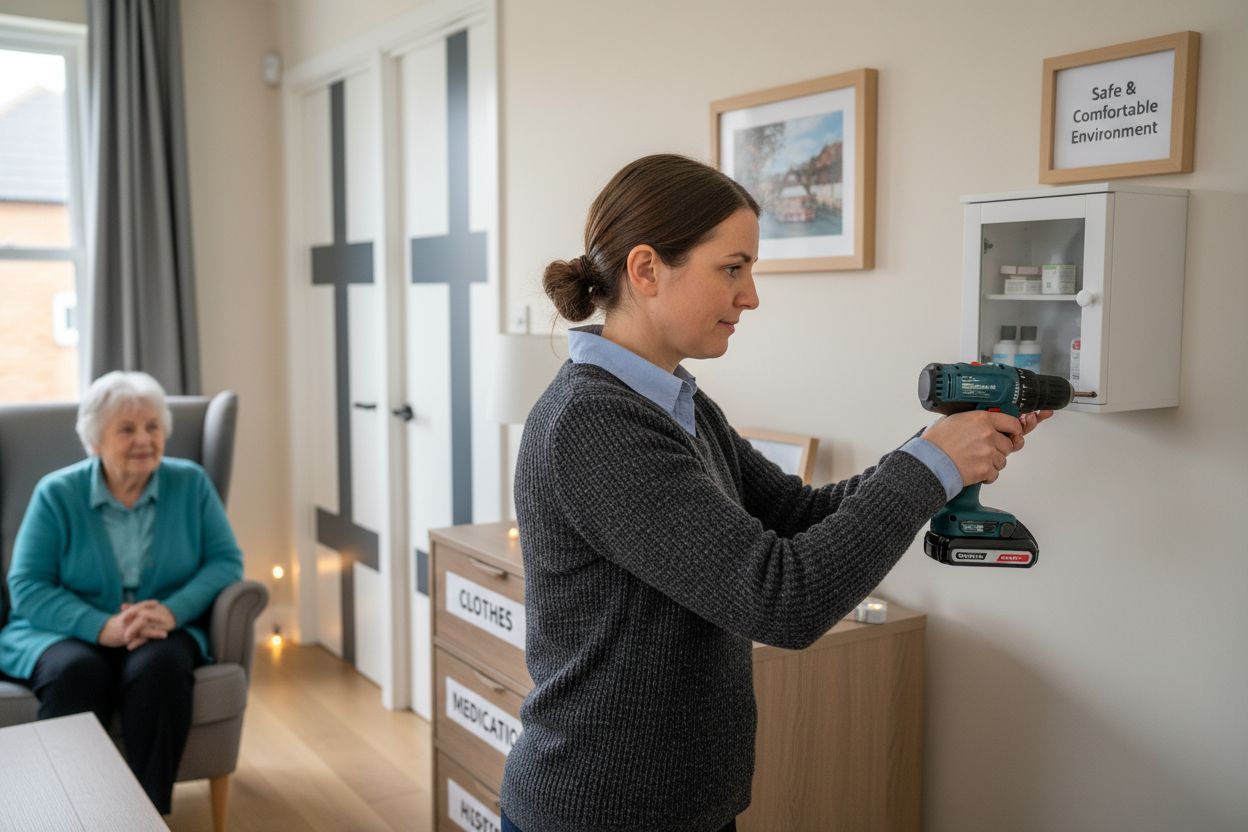
Step 2: Create a Safe and Comfortable Environment
Transforming living spaces becomes paramount when supporting someone with dementia. A carefully designed environment can significantly reduce anxiety and enhance independence, helping your loved one feel secure and respected. This step focuses on creating a supportive physical space that minimises potential risks while maintaining a sense of familiarity and comfort.
Begin by conducting a thorough home safety assessment. Walk through each room systematically, identifying potential hazards that might cause confusion or physical harm. Remove tripping obstacles like loose rugs, electrical cords, or cluttered furniture pathways. Install adequate lighting to reduce shadowy areas that might trigger disorientation or fear. Consider using nightlights in hallways and bathrooms to help your loved one navigate safely during nighttime.
Simplify visual environments to reduce cognitive overload. Use solid colour schemes with high contrast between walls and floors to help with spatial perception. Label drawers and cupboards with clear, simple pictures or words to assist with recognition and maintain a sense of autonomy. Remove or secure potentially dangerous items like sharp kitchen tools, medications, cleaning supplies, and electrical appliances that might be confusing or risky.
Our comprehensive home care planning resource provides additional insights into creating dementia-friendly living spaces.
Key verification indicators for environment adaptation include:
Removal of potential physical hazards
Clear, consistent visual navigation cues
Secured potentially dangerous items
Improved lighting and reduced sensory complexity
Remember that environment adaptation is an ongoing process. Regularly reassess the living space as your loved one’s needs evolve, always prioritising their safety, comfort, and dignity. Small, thoughtful modifications can make an enormous difference in supporting someone living with dementia.
Below is a checklist table to help you verify successful adaptation of the living environment for your loved one with dementia.
Environment Adaptation Checklist | Description |
Hazard removal | All tripping risks and obstacles eliminated from walkways |
Navigation cues | Clear, consistent visual aids and labels in key areas |
Dangerous items secured | Sharp tools, medications, and cleaning supplies locked away |
Improved lighting | Adequate illumination and nightlights in hallways/bathrooms |
Reduced sensory complexity | Calm, simple colour schemes and minimal visual clutter |
Regular reassessment | Living space reviewed periodically for new safety requirements |
Step 3: Establish a Daily Routine
Structuring a consistent daily routine provides essential stability and comfort for individuals living with dementia. Predictable patterns reduce anxiety and help maintain cognitive function, offering a sense of security and familiarity that can significantly improve emotional wellbeing. Creating this routine requires patience, flexibility, and a deep understanding of your loved one’s specific needs and preferences.
Start by observing natural rhythms and preferences your loved one already demonstrates. Some individuals function better in mornings, while others are more alert in afternoons. Design a flexible schedule that respects their existing patterns while introducing gentle structure. Include consistent times for waking, meals, personal care, medication, social interactions, and rest. Visual aids like large, simple calendars or daily picture boards can help reinforce this routine, providing clear visual cues about upcoming activities.
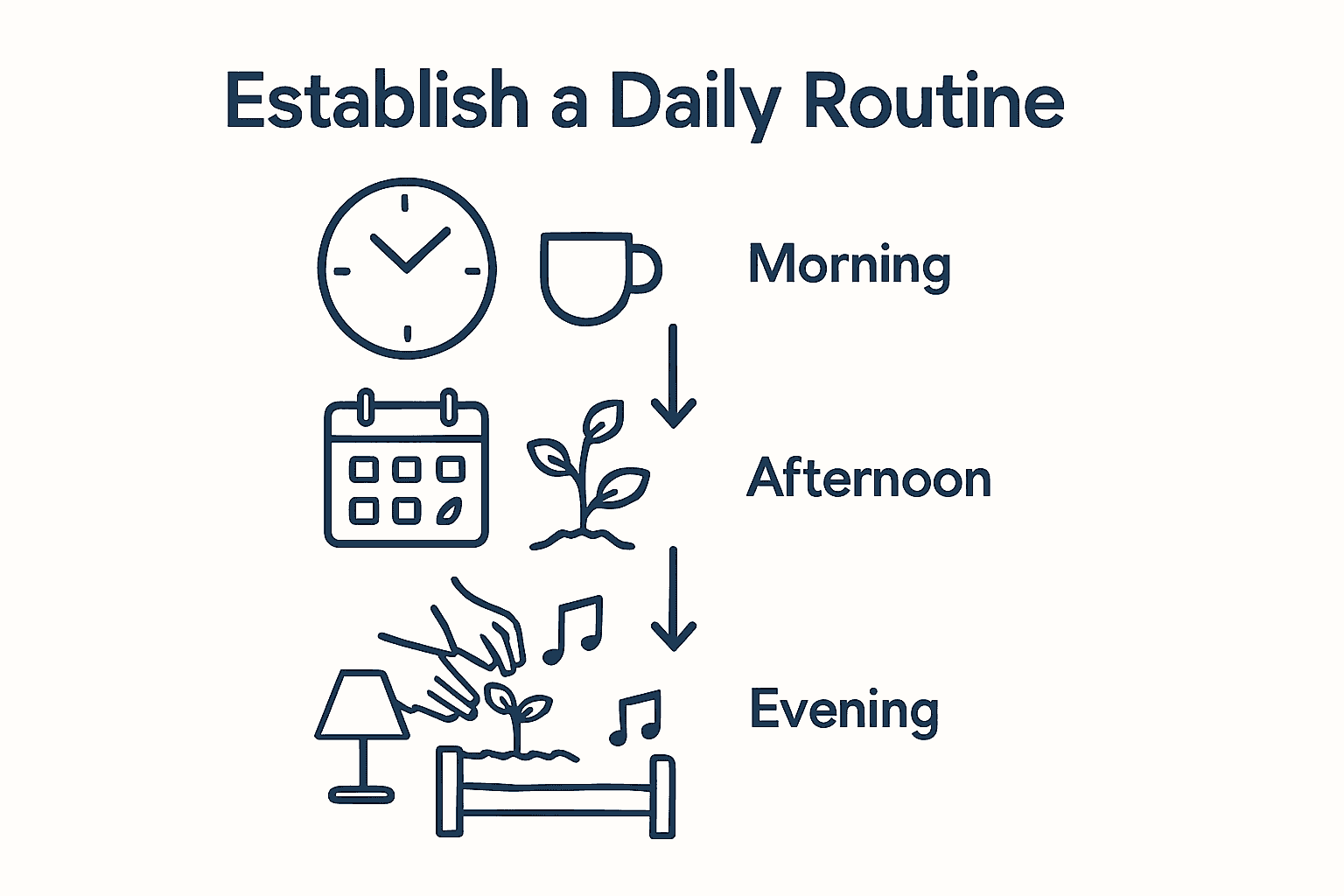
Incorporate meaningful activities that align with their past interests and current capabilities. These might include light gardening, listening to music, looking through family photo albums, or simple craft projects. Engage them in household tasks they can safely manage, which provides a sense of purpose and maintains a feeling of contribution. Always approach activities with patience, breaking complex tasks into smaller, manageable steps and offering positive encouragement.
Our home care planning tips offer additional strategies for developing supportive daily structures.
Key verification indicators for establishing an effective routine include:
Consistent daily schedule with minimal disruptions
Reduced agitation and increased emotional stability
Engagement in meaningful, age-appropriate activities
Maintenance of personal hygiene and health management
Remember that routines are not rigid blueprints but living frameworks. Be prepared to adjust and adapt as your loved one’s needs change, always prioritising their comfort and dignity throughout the journey.
The table below summarises key verification criteria to check whether daily routines are effective and well established for a person with dementia.
Routine Effectiveness Checklist | What to Look For |
Consistent daily schedule | Minimal disruptions and regular timing for core activities |
Reduced agitation | Noticeable decrease in emotional distress or confusion |
Engagement in meaningful activities | Participation in age-appropriate, pleasurable tasks |
Maintenance of personal hygiene | Regular bathing, grooming, and health management observed |
Flexibility to adapt | Routines are adjusted in response to changing needs |
Step 4: Communicate Clearly and Patiently
Communicating effectively with someone experiencing dementia requires extraordinary compassion, creativity, and emotional intelligence. Successful communication is about connection, not correction, transforming interactions from potential frustration into moments of genuine understanding and emotional support.
Adopt a communication approach that prioritises emotional tone over precise verbal content. Speak slowly and clearly, using simple, direct language with a warm, gentle tone of voice. Maintain calm body language and make direct eye contact to help your loved one feel secure. Avoid asking complex questions or providing multiple instructions simultaneously. Instead, break information into straightforward, single statements. For instance, instead of asking “Would you like tea or coffee?”, try “Here is your tea” while presenting the beverage.
Practice active listening and validate their feelings, even when their statements might seem confused or disconnected. Resist the urge to correct or argue about facts. If they misremember something, gently redirect the conversation or simply acknowledge their emotional experience. Non verbal communication becomes increasingly important as verbal skills decline. Use gentle touch, warm facial expressions, and patient gestures to communicate love and reassurance.
Our comprehensive home care planning resource provides additional communication strategies for dementia care.
Key verification indicators for effective communication include:
Reduced instances of agitation during conversations
Increased emotional calm and receptiveness
Maintenance of emotional connection
Minimal confrontational interactions
Remember that communication is an art of patience. Some days will feel more challenging than others, but maintaining a compassionate, understanding approach will strengthen your relationship and provide emotional comfort for your loved one.
Step 5: Manage Behavioural Changes with Compassion
Dementia often brings unexpected behavioural shifts that can feel challenging and emotionally overwhelming for families. Understanding these changes as neurological symptoms rather than intentional actions helps caregivers respond with empathy and strategic support. Behavioural changes are not personal attacks but manifestations of brain function alterations.
Recognise that behaviours like agitation, repetitive questioning, sundowning, or occasional aggression stem from underlying confusion, fear, or unmet needs. When challenging behaviours emerge, pause and investigate potential triggers. Physical discomfort, medication side effects, environmental overstimulation, or unaddressed emotional needs might provoke these responses. Maintain a calm demeanour, speaking softly and avoiding confrontational language. Redirect attention gently towards comforting activities or familiar objects that provide emotional security.
Develop personalised strategies for different behavioural patterns. Some individuals might respond well to tactile comfort like holding hands, while others might need quiet space. Create a calm, predictable environment that minimises potential stressors. Music, familiar photographs, or gentle physical activities can help regulate emotions and reduce anxiety. Learn to recognise early warning signs of potential distress, allowing you to intervene compassionately before behaviours escalate.
Our home care planning guidance offers additional insights into managing complex behavioural changes.
Key verification indicators for managing behavioural changes include:
Reduced frequency of agitated episodes
Quicker emotional recovery after challenging interactions
Increased periods of calm and engagement
Maintenance of emotional connection during difficult moments
Remember that managing behavioural changes is a journey of patience and understanding. Each successful interaction builds trust and emotional resilience for both you and your loved one.
Step 6: Monitor Progress and Adjust Care Plans
Caring for someone with dementia is a dynamic journey requiring continuous observation and flexible adaptation. Monitoring progress is not about tracking decline, but understanding evolving needs and maintaining quality of life. Developing a systematic approach to tracking changes helps families respond proactively and compassionately.
Establish a consistent method of documenting observations. Create a dedicated journal or digital tracker to record daily experiences, noting changes in behaviour, cognitive function, emotional state, and physical capabilities. Pay attention to subtle shifts such as alterations in sleep patterns, appetite, communication abilities, and medication responses. Regular medical consultations provide professional insights, but your firsthand observations become equally crucial in understanding your loved one’s unique progression.
Schedule periodic family discussions to review care strategies collaboratively. These meetings allow all caregivers to share perspectives, discuss challenges, and develop coordinated support approaches. Consider involving healthcare professionals who can provide expert guidance on adapting care plans. Be prepared to modify routines, environment, and communication strategies as dementia progresses. Flexibility and willingness to adjust become your most valuable caregiving tools.
Our comprehensive home care planning resource offers additional strategies for effective care monitoring.
Key verification indicators for effective progress monitoring include:
Consistent, detailed documentation of care recipient’s changes
Regular family and professional care plan reviews
Timely adjustments to support strategies
Maintained emotional connection and quality of life
Remember that monitoring is an act of love. Each observation and adjustment demonstrates your commitment to providing compassionate, personalised care through every stage of the journey.
Compassionate Dementia Support Begins Here
Facing the realities of dementia care at home takes more than just following steps from a guide. You need reassurance, tailored expertise and a partner who understands both the daily challenges and the emotional demands discussed in “Essential Dementia Care Tips for Family Support.” When you feel overwhelmed by safety worries, evolving behavioural changes or the complexity of establishing routines, the right professional help makes all the difference. Our team at Chamomile Care brings over 40 years of experience supporting families with dementia care. Each care plan responds directly to the detailed assessments and ongoing adaptations described in the article, ensuring safety, comfort and emotional well-being remain at the heart of everything we do. You will benefit from CQC ‘Outstanding’ care standards, trusted dementia support and compassionate staff who receive specialist training for real-life situations just like yours.

Take the first step towards peace of mind and personalised support now. Connect with Chamomile Care to learn how our process and exceptional team can ease your journey. Book a free consultation today and let us help translate your care goals into genuine day-to-day improvements. Your peace of mind and your loved one’s quality of life are just a conversation away.
Frequently Asked Questions
What are the key steps in assessing a care recipient’s needs for dementia?
Begin by observing your loved one’s daily routines and capabilities, consulting family members for insights. Document any challenges related to physical, cognitive, and emotional aspects, and seek professional advice for thorough evaluation.
How can I create a safe environment for someone with dementia?
Conduct a home safety assessment by removing hazards like clutter and tripping risks, improving lighting, and simplifying the visual environment with clear labels and contrasting colours. Ensure that dangerous items are secured and navigate spaces thoughtfully.
What types of daily routines are beneficial for individuals with dementia?
Establish a consistent daily schedule that aligns with your loved one’s natural rhythms. Include individualized activities based on their interests, such as listening to music or simple crafts, while integrating regular meal and rest times for structure.
How should I communicate with a loved one experiencing dementia?
Use simple, direct language and a calming tone, focusing on emotional tone rather than precise details. Engage in active listening, validate their feelings, and use non-verbal cues like gentle touch to enhance connection and reassurance.
Recommended
Comments