
What Is the Cost of Home Health Care?

Updated: Feb 27

More than half of British adults say remaining in their own homes is a top priority as they age. Home health care in the UK provides the crucial support that enables people to keep their routines, independence, and comforts right where they feel safest. Understanding these services helps families make better choices when planning ongoing care. This guide explains what home care means, the different types of assistance available, and key factors influencing cost and access.
Table of Contents
Key Takeaways
Point | Details |
Home Health Care Definition | Home health care provides essential support services to help individuals maintain independence and quality of life at home. |
Types of Home Care Services | There are various home care options available, including personal care, companionship, live-in care, and specialised nursing care. |
Factors Influencing Pricing | Home care costs depend on care type, frequency, geographical location, and complexity of needs. |
Funding Options | Individuals can access financial support through local authority funding, personal budgets, and various benefits for home care assistance. |
Defining Home Health Care Services in the UK
Home health care represents a comprehensive support system designed to help individuals maintain their independence and quality of life within their own familiar living environment. According to the NHS, home care (also known as domiciliary care) involves professional Care Workers providing essential health and supportive services directly in an individual’s residence.
These services encompass a wide range of personalised assistance tailored to meet unique individual needs. Home care support typically includes:
Personal care assistance
Medication management
Meal preparation
Domestic task support
Companionship and emotional support
Mobility assistance
Hygiene and grooming support
The primary objective of home health care services is to enable individuals to retain their dignity, autonomy, and comfort while receiving professional, compassionate support. By delivering targeted care within the client’s own home, these services help individuals manage daily living activities, chronic conditions, or age-related challenges without compromising their sense of independence. Understanding Why Home Care Agencies Matter for Families can provide further insights into the crucial role these services play in supporting vulnerable individuals and their families.
Types of Home Care and Support Available
Home care services in the United Kingdom offer a diverse range of personalised support options designed to meet individual needs and promote independence. According to Kent Connect to Support, these comprehensive services encompass several crucial support categories that address different levels of care requirements.
The primary types of home care services include:
Personal Care: Assistance with personal hygiene, dressing, and daily living activities
Companionship Care: Emotional support and social interaction to combat isolation
Live-in Care: Continuous support provided within the client’s home environment
24-Hour Care: Round-the-clock assistance for individuals with complex care needs
Nursing Domiciliary Care: Specialised medical support delivered by qualified healthcare professionals
These varied service options ensure that individuals receive tailored support matching their specific circumstances.

Personal Care Support for Independence provides additional insights into how these personalised care approaches can help vulnerable individuals maintain their dignity and quality of life. Each care type is carefully designed to address unique needs, ranging from short-term assistance to comprehensive long-term support, allowing individuals to remain comfortable and secure within their own homes.
Key Factors Influencing Home Care Pricing
Understanding the intricacies of home care pricing requires a comprehensive examination of multiple interconnected elements. According to Age UK, home care costs are influenced by several critical factors that can significantly impact the overall expense of care services.
The key determinants of home care pricing include:
Type of Care Required: Specialised services such as nursing care or dementia support typically cost more than standard personal assistance
Care Hours and Frequency: The number of hours and consistency of care sessions directly affect pricing
Geographic Location: Regional variations can substantially impact service costs
Complexity of Care Needs: More intensive or complex care requirements increase pricing
Provider Type: Independent agencies versus local council services may have different pricing structures
Financial considerations are further complicated by potential support mechanisms.
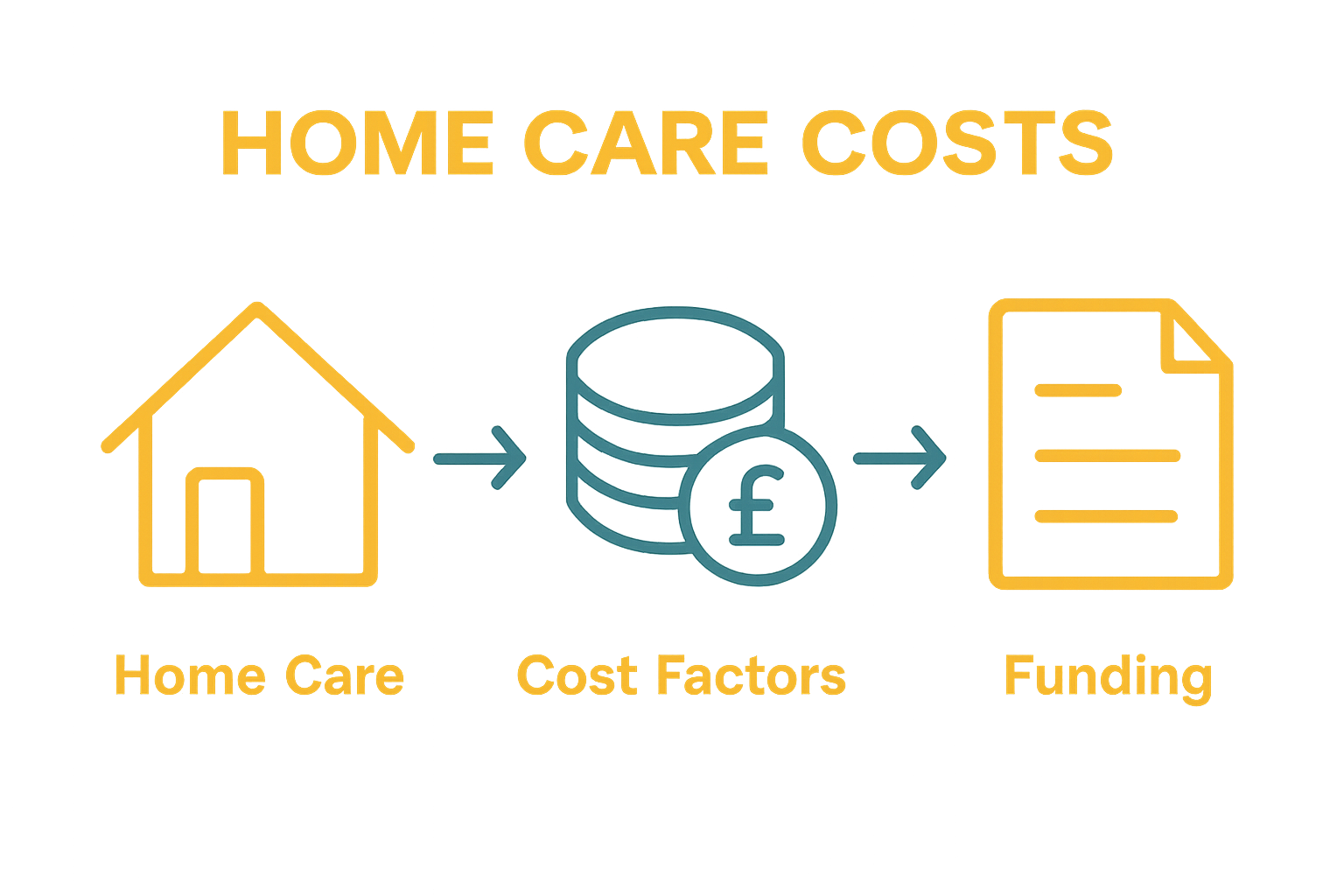
Understanding Why Private Home Care is Essential highlights that while costs can seem daunting, personalised care offers invaluable benefits. As noted by the NHS, local councils may provide financial assessments that help offset care expenses, making professional home care more accessible for many families seeking comprehensive support.
Typical Costs for Different Care Levels
Home care services encompass a wide range of support levels, each with distinct pricing structures that reflect the complexity and intensity of care provided. According to Age UK, the cost of home care services varies significantly depending on the specific type of care required.
Typical cost ranges for different care levels include:
Personal Care Support: £30 to £40 per hour
Live-in Care: £1,200 to £1,800 per week
Specialised Nursing Care: Higher rates based on complexity of medical needs
Part-time Care: Hourly rates with flexible scheduling
Overnight Care: Premium rates for extended or continuous support
Financial planning for home care requires careful consideration of individual needs and available resources. Essential Home Care Planning Tips for Families in 2025 can provide additional guidance for families navigating these complex financial decisions. As the NHS notes, local councils may offer financial assessments to help determine support eligibility, potentially alleviating some of the financial burden associated with professional home care services.
Financial Support and Funding Options
Navigating the financial landscape of home care can be complex, with multiple potential sources of support available to families and individuals. According to the NHS, financial assistance for home care is primarily determined through a comprehensive care needs assessment and a detailed financial means test.
Key funding options for home care support include:
Local Authority Funding: Available for individuals with savings below £23,250
Personal Budgets: Personalised financial allocations for care needs
Direct Payments: Cash support to manage care arrangements independently
Benefits Support:
Attendance Allowance
Personal Independence Payment
Disability Living Allowance
Complete Guide to Why Independent Care Agencies highlights the importance of understanding these financial pathways. As Age UK emphasises, each funding option comes with specific eligibility criteria, making it crucial for families to thoroughly explore all available resources and seek professional guidance to maximise their financial support.
Discover Trusted Home Health Care with Transparent Costs
Understanding the cost of home health care can feel overwhelming, especially when balancing the need for quality support and managing finances. This article highlights key challenges such as variable pricing depending on care complexity personal care hours and whether specialised nursing is required. Many families worry about affordability and the true value of services that allow loved ones to remain safely at home with dignity.
At Chamomile Care we address these concerns with over 40 years of expertise offering tailored compassionate home care in Abingdon and surrounding areas. Our CQC Outstanding rating reflects our commitment to high standards and reliable transparent pricing. Whether you need help with medication management dementia care or personal care we customise support to suit both needs and budgets. Explore how our professional team combines experience with trustworthiness to ease the burden of arranging home care.
Are you ready to find personalised home support that balances cost and quality for your loved one
Visit Chamomile Care today to learn more about our dedicated services. Get in touch and take the first step towards peace of mind and expert home care that puts your family first. See how clear home care pricing works with compassionate support by visiting our care process overview and team bios. Act now to ensure your loved one gets the best care without delay.
Frequently Asked Questions
What are the typical costs associated with different levels of home health care?
Typical costs for home health care services vary based on the type of support required. Personal care support usually costs between £30 to £40 per hour, while live-in care can range from £1,200 to £1,800 per week. Specialised nursing care will have higher rates depending on the complexity of medical needs.
What factors influence the pricing of home health care services?
Key factors that impact home health care pricing include the type of care required, the number of hours and frequency of care, the geographic location, the complexity of care needs, and the type of provider (independent agency or local council services).
How can I find financial support for home health care?
Financial support options for home health care in England include local authority funding for individuals with savings below £23,250, personalised budgets, direct payments, and state benefits such as Attendance Allowance and Personal Independence Payment (PIP).
Attendance Allowance and PIP are administered by the UK Department for Work and Pensions (DWP) and are designed to help individuals with care needs arising from disability or long-term health conditions.
Eligibility for local authority funding is determined following a Care Needs Assessment carried out by your local council’s Adult Social Care team. This assessment establishes the level of support required and whether financial assistance may be available.
Are there additional costs to consider when budgeting for home health care?
Yes, additional costs may arise based on specific care needs, such as premium rates for specialised nursing care or 24-hour assistance. It is advisable to carefully evaluate individual requirements and consider the long-term cost implications when planning for home health care.
Recommended
Comments