
How to Support Parkinson's Service Users at Home Effectively

Updated: Nov 30, 2025

Home care for Parkinson’s Service Users might sound straightforward but over 145,000 people in the UK live with the disease and no two cases are alike. Families often worry about safety, daily routines, and emotional wellbeing, expecting practical solutions to be mostly medical. Yet the secret to genuinely effective care is something far simpler and often overlooked. Real success starts by truly understanding the Service User’s personal needs, down to the smallest preference.
Table of Contents
Quick Summary
Key Point | Explanation |
1. Understand the Service User’s unique needs | Conduct thorough assessments of physical, emotional, and psychological requirements for tailored care. |
2. Create a safe living environment | Implement essential modifications in the home to prevent risks and enhance daily mobility. |
3. Establish a consistent daily routine | Develop clear schedules for medication, activities, and rest to manage symptoms effectively. |
4. Facilitate effective communication | Use strategies to overcome speech and cognitive challenges while maintaining social connections. |
5. Continuously monitor and adapt care | Regularly assess health changes and be ready to adjust care strategies as Parkinson’s symptoms progress. |
Step 1: Assess the Parkinson's Service User’s Unique Needs and Preferences
Understanding and assessing the unique needs of a Parkinson’s Service User is the foundational step in creating an effective home care strategy. Everyone experiences this neurological condition differently, which means person-centred care is not just beneficial but essential. The assessment process goes beyond medical symptoms and delves into the Service User’s emotional, physical, and psychological requirements.
Begin by scheduling a comprehensive conversation with the Service User and their primary healthcare provider. This discussion should explore the Service User’s current mobility levels, medication regimens, daily challenges, and personal preferences. Communication is paramount - approach this conversation with empathy, Service User, and a genuine desire to understand their specific situation.
During the assessment, pay close attention to several critical areas that impact daily living. Motor symptoms like tremors, stiffness, and balance issues will significantly influence care requirements. However, equally important are non-motor symptoms such as potential cognitive changes, emotional wellbeing, sleep patterns, and energy levels. According to Parkinson’s UK research, these factors can dramatically affect a Service User’s quality of life and care needs.
Practical assessment tools can help structure this process systematically. Consider creating a detailed care profile that includes:
Current medication schedule and potential side effects
Specific mobility limitations and recommended assistive devices
Personal care preferences and comfort levels
Emotional support requirements
Potential safety modifications needed in the home environment
Remember that this assessment is not a one-time event but an ongoing dialogue. Parkinson’s is a progressive condition, meaning care needs will evolve over time. Schedule regular review meetings to adjust the care plan, ensuring it remains responsive to changing symptoms and personal preferences.
Successful assessment goes beyond medical checklists - it represents a holistic approach that respects the Service User’s dignity, autonomy, and individual experience with Parkinson’s disease. By investing time and compassion in understanding their unique needs, you create a foundation for compassionate, effective home care that truly supports their wellbeing.
Step 2: Create a Safe and Comfortable Living Environment
Transforming a home into a safe and supportive environment is crucial for Parkinson’s sufferers, reducing risks and promoting independence. This step involves strategic modifications that anticipate potential challenges while maintaining the Service User’s dignity and comfort. The goal is to create a space that adapts to their changing mobility and enhances their ability to navigate daily life with confidence.
Begin by conducting a comprehensive home walkthrough, examining each room with a critical eye for potential hazards. Focus on areas where balance, movement, and coordination might be compromised. Hallways, bathrooms, and staircases require particular attention. Remove loose rugs, electrical cords, and unnecessary furniture that could obstruct movement or create tripping risks. Consider installing bright, consistent lighting to help with visual perception and reduce the likelihood of disorientation.
According to the NHS guidelines on living with Parkinson’s, strategic home adaptations can significantly improve safety and quality of life. Install handrails in key areas such as staircases, bathrooms, and hallways. These supportive fixtures provide crucial stability and confidence during movement. Choose sturdy, well-secured rails that can bear significant weight and complement the home’s existing aesthetic.
Key modifications should include:
Bathroom safety bars near toilets and in shower areas
Non-slip mats in wet areas
Raised toilet seats to reduce movement difficulty
Improved lighting with motion-sensor night lights
Cleared pathways with minimal obstacles
Consider technological solutions that can enhance safety and independence. Wireless emergency call buttons, motion-activated lights, and simplified communication devices can provide additional security. These tools offer peace of mind not just for the Service User, but for Care Workers and family members as well.
Remember that comfort is as equally important as safety. Work with the Service User to maintain a sense of personal style and familiarity in their living space. Involve them in decision-making about modifications, ensuring they feel respected and in control.
Below is a checklist table outlining essential home modifications and technological solutions that improve safety and comfort for Parkinson’s Service Users, helping both families and Care Workers keep track of important items.
Modification/Tool | Purpose | Extra Notes |
Bathroom safety bars | Provide stability during transfers | Install near toilets and in shower areas |
Non-slip mats | Reduce risk of slips and falls | Place in all wet areas |
Raised toilet seats | Ease difficulty with sitting/standing | Useful for limited mobility |
Improved lighting | Enhance visibility and reduce disorientation | Use motion-sensor night lights if required |
Cleared pathways | Minimise tripping hazards | Remove loose rugs and electrical cords |
Wireless emergency call buttons | Enable quick assistance in emergencies | Place in accessible locations |
Motion-activated lights | Assist with night-time movement | Especially useful in hallways and bathrooms |
Simplified communication devices | Aid communication and independence | Choose easy to use models |
Step 3: Establish a Routine for Daily Activities and Medications
Creating a structured daily routine is fundamental in supporting Parkinson’s Service Users, providing predictability and reducing anxiety associated with uncertainty. A well-designed routine helps manage symptoms, ensures medication compliance, and maintains the Service User’s sense of independence and dignity.
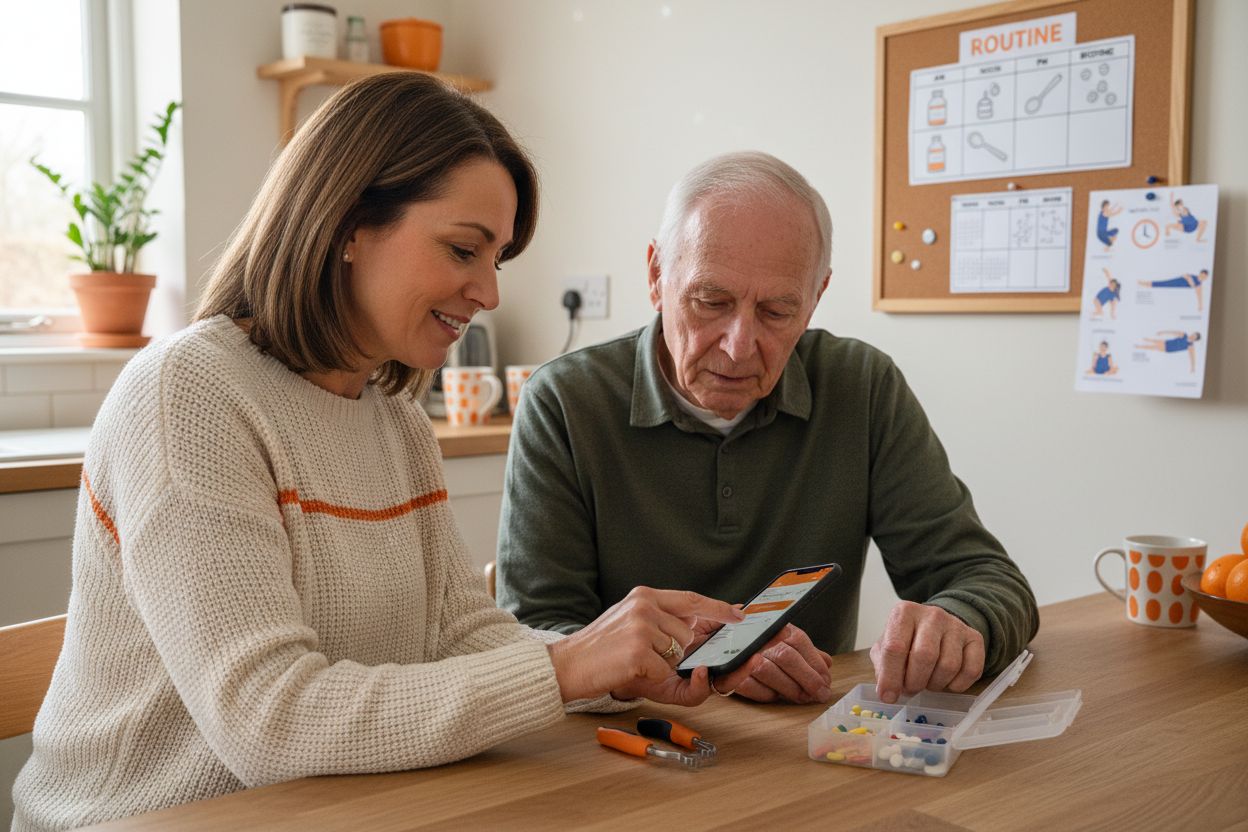
Begin by consulting with the Service User’s neurologist to develop a precise medication schedule. Parkinson’s medications often require precise timing and can have complex administration instructions. Some medications need to be taken at specific intervals, while others might interact differently with food or other treatments. Develop a clear, visual medication tracker that outlines exact times, dosages, and any specific consumption requirements.
According to NHS guidance on living with Parkinson’s, maintaining consistent daily activities can significantly improve quality of life. Design a daily schedule that balances medication times with gentle physical activities, rest periods, and personal care routines. This approach helps manage energy levels and reduces the potential stress of unpredictability.
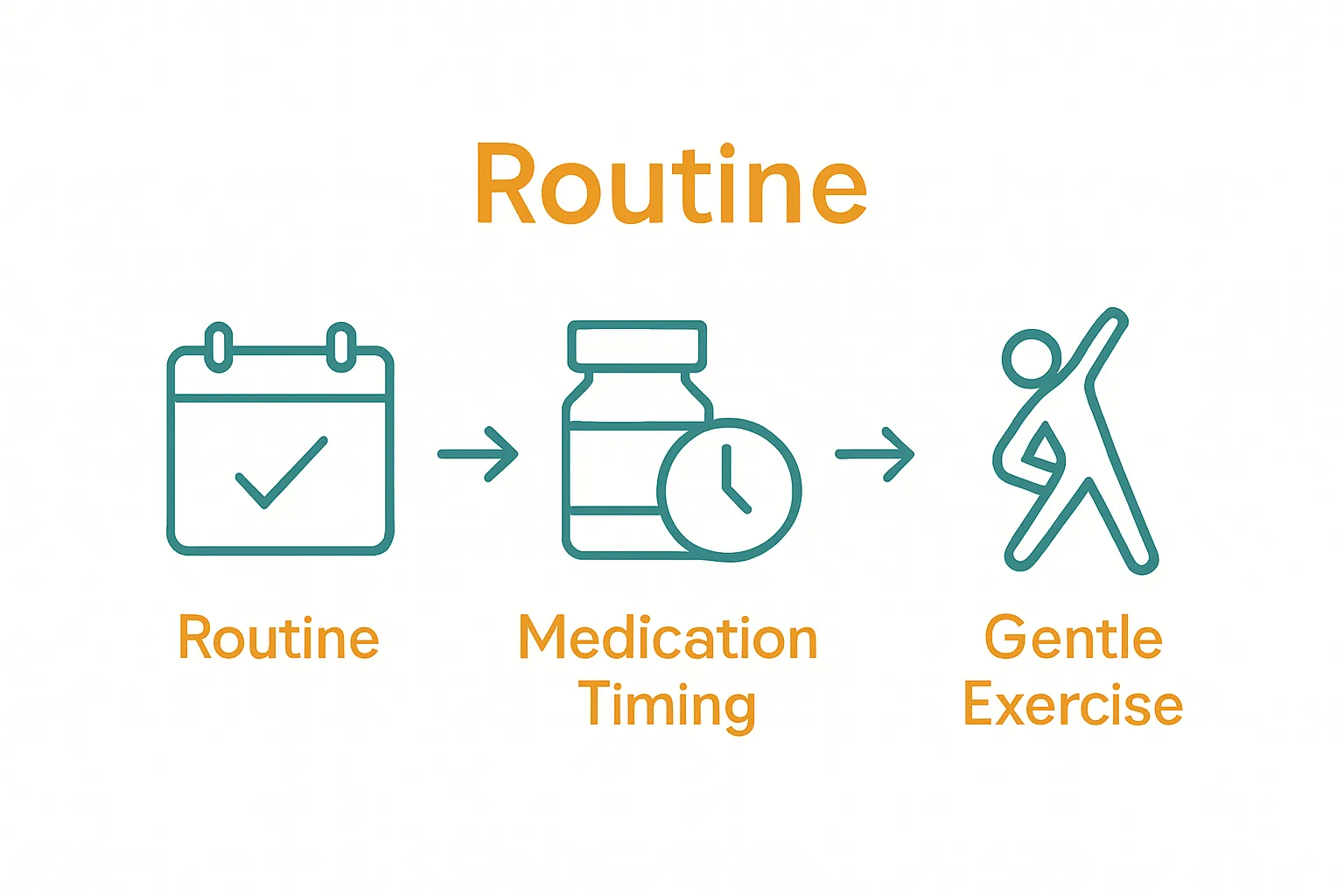
Key elements for an effective routine should include:
Consistent wake-up and bedtime schedules
Structured medication administration times
Planned rest and activity periods
Regular meal times
Gentle exercise or physiotherapy sessions
Digital tools can be invaluable in managing this complex routine. Consider using smartphone apps or digital medication reminders that provide audible alerts and tracking capabilities. Some advanced systems can even notify Care Workers if a medication dose is missed. However, ensure the technology is user-friendly and does not cause additional stress for the Service User.
Flexibility remains crucial. While structure is important, the routine should not feel like a rigid constraint. Work closely with the Service User to adjust the schedule based on their energy levels, symptom fluctuations, and personal preferences. Regular check-ins with healthcare professionals will help refine the routine as the condition progresses, ensuring it remains responsive to the Service User’s changing needs.
Step 4: Facilitate Communication and Social Interaction
Communication and social interaction become increasingly challenging for Parkinson’s Service Users, making deliberate and compassionate support essential. The goal is to maintain meaningful connections while adapting to potential speech, cognitive, and mobility limitations. Understanding and addressing communication barriers requires patience, creativity, and a proactive approach.
Parkinson’s can impact communication through speech difficulties, reduced facial expressions, and potential cognitive changes. Start by consulting with a speech and language therapist who can provide personalised strategies for maintaining clear communication. They can recommend specific exercises to improve speech clarity, volume, and articulation. Learn techniques like speaking more slowly, using shorter sentences, and maintaining eye contact to support more effective interactions.
According to NHS guidance on living with Parkinson’s, social engagement is crucial for emotional wellbeing. Design communication strategies that respect the Service User’s dignity and individual preferences. This might involve using alternative communication tools like tablets with speech-to-text applications, communication boards, or gesture-based communication systems when verbal communication becomes challenging.
Consider implementing these supportive interaction strategies:
Regular scheduled social activities
Technology-assisted communication methods
Family communication workshops
Adaptive communication tools
Support group participation
Technology can be a powerful ally in maintaining social connections. Video calling platforms, simplified smartphone interfaces, and voice-activated devices can help Service Users stay connected with family and friends. However, introduce these tools gradually and provide Service User, step-by-step guidance to prevent technological frustration.
Family and caregivers play a critical role in facilitating communication. Create an environment of active listening, where the Service User never feels rushed or dismissed. Allow extra time for responses, avoid finishing their sentences, and demonstrate genuine interest in their communication attempts. Emotional support is just as important as the technical aspects of communication, so maintain a positive, encouraging attitude that preserves the Service User’s sense of self-worth and social identity.
Step 5: Monitor Health and Adapt Care as Necessary
Monitoring a Parkinson’s Service User’s health requires continuous observation, proactive communication, and willingness to adjust care strategies as the condition evolves. The primary objective is to maintain the highest possible quality of life while anticipating and addressing emerging challenges. This ongoing process demands vigilance, compassion, and collaborative healthcare management.
Establish a systematic approach to tracking health changes by maintaining a comprehensive health journal. Document daily symptoms, medication effectiveness, mobility levels, emotional state, and any notable variations. This detailed record becomes invaluable during medical consultations, helping healthcare professionals understand the Service User’s precise condition progression. For essential home care planning insights, consider using digital tracking applications that can help streamline this monitoring process.
According to NICE guidelines, regular multidisciplinary reviews are crucial in managing Parkinson’s disease effectively. Schedule quarterly comprehensive assessments involving neurologists, physiotherapists, speech therapists, and mental health professionals. These collaborative reviews ensure a holistic understanding of the Service User’s changing needs and allow for timely interventions.
Key areas to consistently monitor include:
Medication side effects and efficacy
Physical mobility and balance changes
Cognitive and emotional health indicators
Sleep patterns and energy levels
Nutritional intake and weight management
Communication remains the cornerstone of effective health monitoring. Create an environment where the Service User feels comfortable sharing subtle changes or concerns. Some symptoms may be challenging to articulate, so practice active listening and observe for non-verbal cues. Encourage family members and Care Workers to participate in these observations, providing a more comprehensive perspective on the Service User’s condition.
The table below summarises key elements to regularly monitor in a Parkinson’s Service User’s health, including what to observe and why these areas are important for ongoing care.
Health Area | What to Observe | Why It’s Important |
Medication side effects | Nausea, confusion, involuntary movements | Ensures medication remains safe and effective |
Physical mobility and balance | Ability to walk, stand, risk of falls | Prevents injuries and tracks disease progression |
Cognitive/emotional health | Memory, mood changes, episodes of confusion | Early detection allows timely intervention |
Sleep patterns and energy | Sleep quality, fatigue, naps | Impacts overall wellbeing and symptom control |
Nutritional intake and weight | Changes in appetite or body weight | Prevents malnutrition or unhealthy weight loss |
Technology and professional support can significantly enhance monitoring capabilities. Consider wearable health tracking devices, remote consultation technologies, and support groups that offer additional resources and insights. Remember that adaptability is key - what works today might require modification tomorrow. Approach each change with patience, understanding, and a commitment to maintaining the Service User’s dignity and independence.
Bring Expert Support into Your Parkinson’s Home Care Journey
Caring for a loved one with Parkinson’s disease can feel overwhelming, especially when every day brings new challenges in mobility, medication management and emotional wellbeing. The article you have just read highlights the critical need for tailored routines, home adaptations and continuous health monitoring to truly enhance quality of life. These requirements can quickly become complex, leaving many families anxious and searching for trusted support.

Why wait to give your loved one the expert help they deserve? Chamomile Care has over 40 years of experience providing specialist Parkinson’s care at home across south Oxfordshire. Our team understands the importance of person-centred routines, safety-focused home adjustments and compassionate daily interactions. Every care plan is shaped around the Service User’s unique needs—right down to detailed medication schedules and regular health reviews. We maintain our ‘Outstanding’ CQC rating in ‘Caring’ through rigorous staff training and deep commitment to quality. Discover how our dedicated home care team can support you in navigating the challenges of Parkinson’s care. Visit our website today to book your free consultation and take the first step towards genuine peace of mind.
Frequently Asked Questions
How can I assess the unique needs of a Parkinson’s Service User at home?
Understanding a Parkinson’s Service User’s unique needs involves conducting comprehensive conversations with the Service User and their healthcare provider to explore mobility levels, medication regimens, daily challenges, and personal preferences. A detailed care profile should be created to include these aspects.
What modifications can be made to ensure a safe home environment for Parkinson’s Service Users?
To ensure a safe home environment, consider removing hazards like loose rugs and electrical cords, installing handrails, using non-slip mats, and improving lighting. These changes help reduce the risk of falls and promote independence.
How can I establish a daily routine for a Parkinson’s Service User?
Establishing a daily routine involves creating a structured schedule that includes consistent wake and sleep times, medication administration, planned activity and rest periods, and regular meal times. This structure helps in managing symptoms and enhances the Service User’s sense of independence.
What strategies can I use to facilitate communication with a Parkinson’s Service User?
Facilitating communication may involve consulting a speech therapist for personalised strategies, using technology-assisted communication tools, and conducting family workshops. Maintain an environment of active listening and allow the Service User extra time to respond, ensuring they feel respected and heard.
Recommended
Comments